


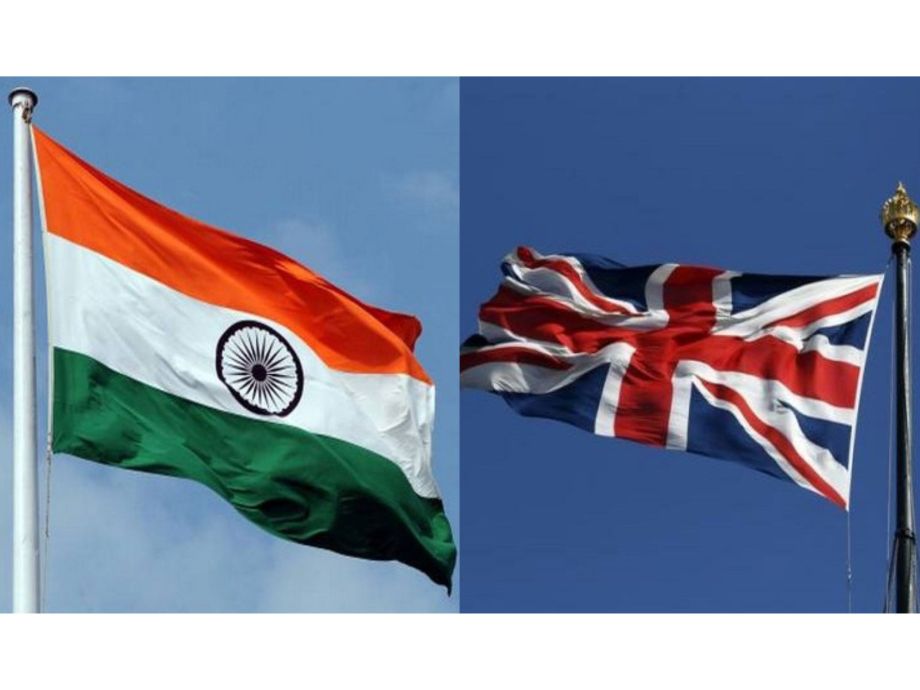
The historic UK-India Free Trade Agreement has come into force, opening fresh avenues for bilateral defence and aerospace cooperation between New Delhi and London, according to official sources.
The agreement removes or reduces tariffs on a range of goods and services, including components for aerospace manufacturing and defence systems. For Indian defence producers and the aerospace sector, this creates new market access in the UK while potentially lowering import costs for critical defence technology.
India and the UK have an established pattern of defence engagement. The two nations conduct regular military exercises, including combined naval operations and air force drills. UK defence companies have supplied equipment to Indian armed forces, while Indian defence PSUs have explored partnerships in advanced manufacturing and systems integration.
The FTA addresses tariff schedules across multiple sectors relevant to defence industrial production: electronics, precision engineering, metallurgy, and composite materials. Reduced duties on these inputs can lower the production cost of defence platforms manufactured in India, including missiles, naval systems, and aircraft components. This alignment with India’s Make in India and Atmanirbhar Bharat initiatives strengthens domestic capability.
For Indian air and naval platforms under development or production, easier access to British avionics, materials, and sub-systems could accelerate timelines. Conversely, UK defence firms gain clearer market terms for goods exported to India. The agreement also covers intellectual property protections, a critical concern in defence technology partnerships.
The FTA comes as New Delhi expands defence ties across the Indo-Pacific region. The UK, as a permanent UN Security Council member and major NATO ally, holds strategic importance to India’s broader security calculations. Closer defence-industrial links support both nations’ shared interest in maintaining stable sea lanes and free navigation in the Indian Ocean.
Trade agreements do not directly govern defence exports, which remain subject to stringent national export control frameworks in both countries. However, the commercial certainty and reduced friction in components trade creates an enabling environment for deeper defence cooperation. Future defence procurement decisions or co-development initiatives can benefit from the streamlined tariff regime.