

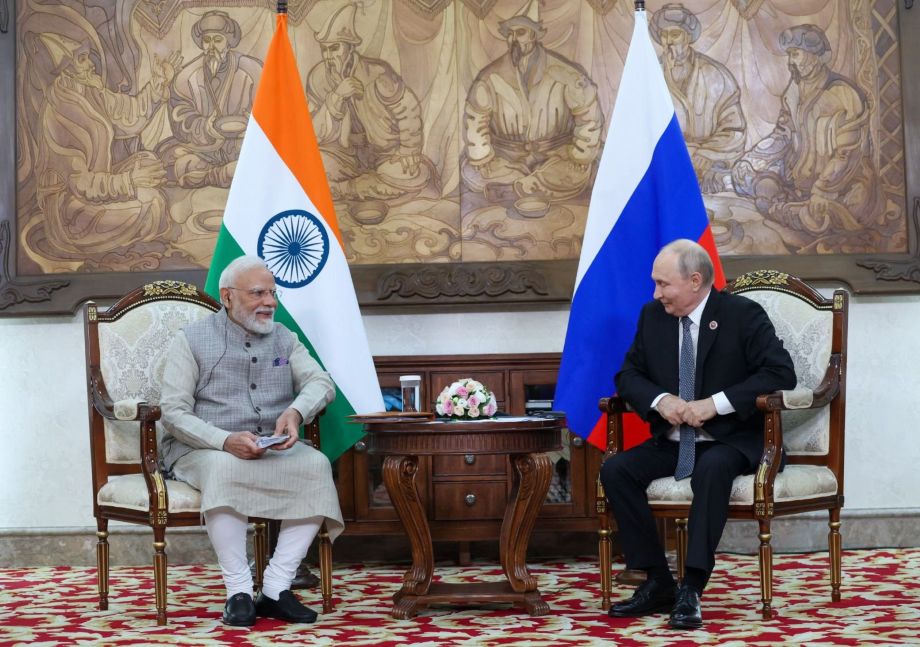
A senior Polish minister has credited Prime Minister Narendra Modi with playing a restraining role in preventing Russian President Vladimir Putin from escalating to nuclear weapons use during the Ukraine conflict.
The assertion underscores India’s diplomatic footprint in the Russia-Ukraine crisis, a conflict that has reshaped global security architecture and drawn responses from nations across the strategic spectrum. India has maintained a careful balance in the conflict, neither condemning Russia by name in UN votes nor aligning with Western sanctions regimes.
Modi’s diplomatic channels with Moscow have been a consistent feature of Indian foreign policy, grounded in India’s historical strategic partnership with Russia and India’s own security imperatives in South Asia. The Prime Minister has held multiple conversations with Putin throughout the Ukraine war, often framed around de-escalation and dialogue.
India’s reluctance to isolate Russia diplomatically reflects New Delhi’s assessment that engagement, rather than isolation, offers better prospects for managing regional and global stability. This approach has allowed India to maintain leverage with both Western capitals and Moscow, particularly relevant given India’s own border tensions and defence procurement dependencies.
The Polish government’s statement also reflects Warsaw’s complex relationship with India on European security matters. Poland, as a NATO frontline state bordering Ukraine, has been acutely focused on preventing any nuclear dimension to the conflict. Polish officials have articulated concerns about Russian nuclear rhetoric as a tool of coercion throughout the war.
India’s non-aligned positioning on Ukraine has drawn criticism from Western allies while simultaneously earning Moscow’s appreciation for New Delhi’s refusal to join economic isolation efforts. However, India has also quietly strengthened defence ties with NATO members and Western nations, suggesting a nuanced hedging strategy rather than outright alignment with Russia.
The statement from the Polish minister, if confirmed at the official level, suggests that quiet diplomacy involving India may have contributed to Moscow’s restraint on nuclear brinkmanship. Whether through direct talks or indirect messaging, India’s voice carries weight in Moscow given the deep defence and energy relationship between the two nations.
This narrative also aligns with India’s broader positioning as a responsible power willing to engage in high-stakes diplomacy for global stabilisation, a theme central to India’s bid for permanent UN Security Council membership and its leadership aspirations in the Global South.