


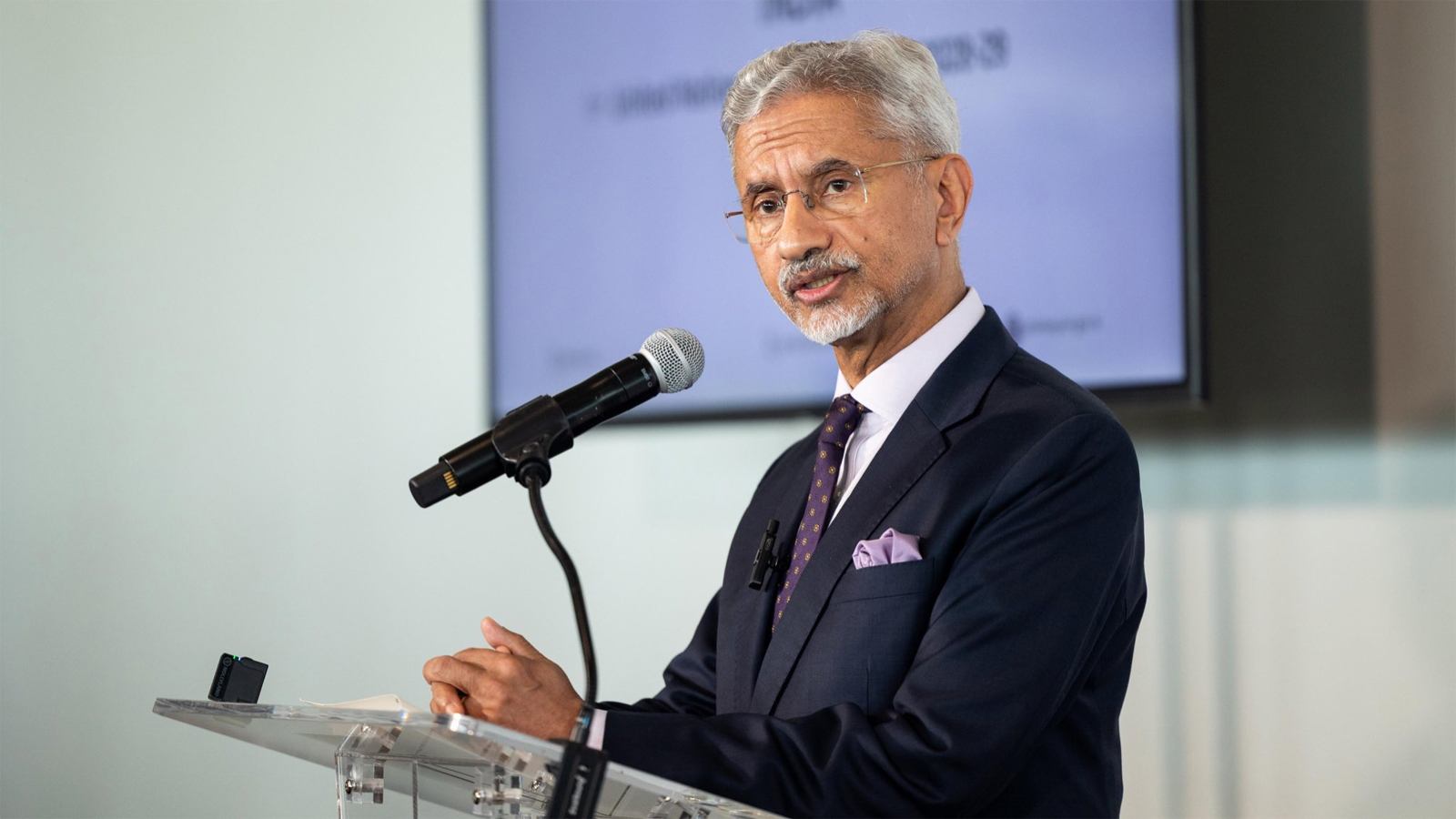
India has outlined its priorities for the UN Security Council during its presidency, placing counter-terrorism financing, maritime security governance, and artificial intelligence regulation at the centre of its multilateral agenda.
The focus on terror financing reflects New Delhi’s long-standing concern over cross-border terrorism funding mechanisms, particularly those originating from South Asian sanctuaries. India has consistently pushed for stricter international financial controls and enhanced oversight of hawala networks and cryptocurrency channels used to fund militant operations across the subcontinent and beyond.
Maritime security governance aligns with India’s broader Indo-Pacific strategy and its concerns over freedom of navigation in the Indian Ocean Region. As a major naval power with critical sea lanes passing through its waters, India has sought UNSC engagement on piracy, illegal fishing, human trafficking at sea, and the militarisation of chokepoints that affect global trade and regional stability.
The inclusion of artificial intelligence governance signals India’s recognition that AI systems are reshaping military doctrine, defence procurement, and strategic competition among major powers. Autonomous weapons systems, AI-driven surveillance, and algorithmic decision-making in conflict scenarios have become pressing concerns for international security frameworks. India’s elevation of this issue at the UNSC reflects New Delhi’s awareness that AI governance must be addressed at the highest diplomatic level before technological divergence creates irreversible geopolitical rifts.
India’s UNSC presidency comes at a time of heightened global tensions, with multiple conflicts competing for the council’s attention. By anchoring its agenda on terror financing and maritime security, India is framing issues that directly affect its own security environment while positioning itself as a voice for the Global South on issues of transnational concern.
The terror financing agenda builds on India’s role in the Financial Action Task Force, where it has championed stricter compliance standards for countries with weak anti-money laundering frameworks. Maritime security governance reflects India’s participation in multilateral naval exercises and its leadership role in regional security architectures such as the Quad.
The AI governance push indicates India’s intent to shape international norms before they crystallise around Western or Chinese standards. As a major software and IT services hub, India has technical expertise to contribute meaningfully to any emerging international framework on AI transparency, accountability, and dual-use controls.