


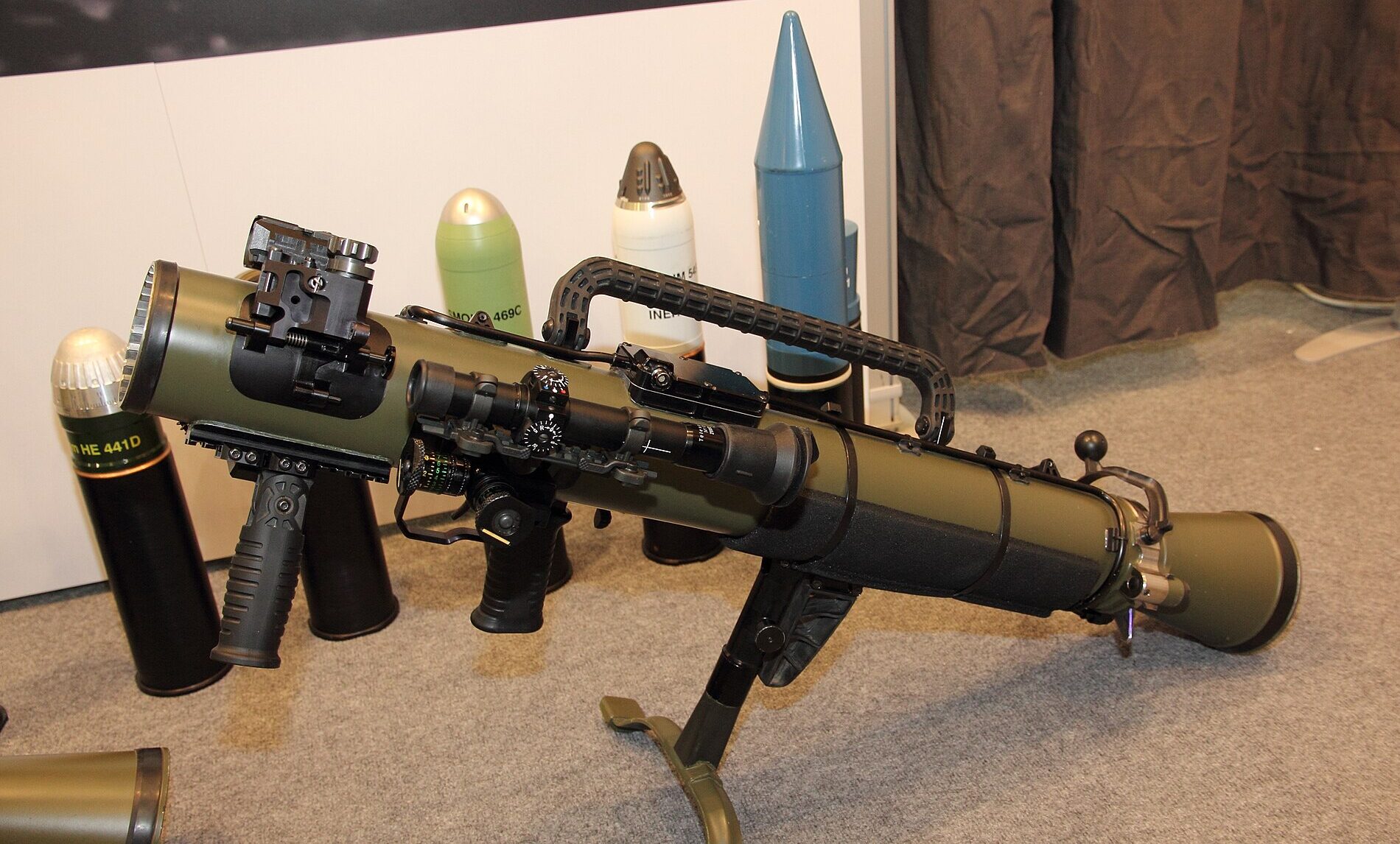
The Indian Army has issued a Request for Proposal (RFP) for 450 indigenously manufactured Carl Gustaf MK-IV man-portable anti-armour rocket launcher systems, according to the procurement announcement. The move aims to modernise the infantry anti-armour firepower across combat formations and represents a significant step in the government’s Make in India defence manufacturing agenda.
The Carl Gustaf MK-IV is a fourth-generation recoilless rifle system developed by Swedish firm Saab Bofors Dynamics. India has operated the Carl Gustaf in various versions for decades, and the system has proven its combat effectiveness across multiple operational theatres including high-altitude mountain warfare in Ladakh and counterinsurgency operations in the Northeast.
The MK-IV variant introduces significant improvements over earlier generations. The system features a modern fire control system with integrated day-night sighting capability, enhanced ergonomics for rapid target engagement, and compatibility with an expanded range of ammunition types including high-explosive anti-tank, thermobaric, smoke, illumination, and canister rounds.
India’s push to indigenise the Carl Gustaf aligns with broader defence self-reliance goals outlined under the Defence Acquisition Policy. Licensed manufacture of the system, likely coordinated with a domestic defence public sector undertaking or private sector partner, would reduce import dependency and create a sustainable domestic supply chain for spare parts and ammunition.
The 450-unit procurement represents a substantial modernisation of the infantry anti-armour capability across multiple divisions and brigades. Each infantry battalion typically operates multiple such systems at the company and platoon levels, making this acquisition critical for standardising equipment across the force structure.
The Carl Gustaf remains operational with armies across NATO and allied nations. Its semi-recoilless design, lightweight construction, and multi-role ammunition flexibility have made it a preferred choice for both conventional and asymmetric warfare scenarios. The system’s effective range and accuracy make it particularly suited to India’s requirement for distributed anti-armour defence across varied terrain and altitude zones.
The RFP details the technical specifications, delivery timelines, and indigenous content requirements that bidders must meet. Successful integration of 450 systems would represent one of the Indian Army’s largest recent modernisation initiatives in individual weapon systems and underscores the institutional emphasis on equipping infantry units with contemporary anti-armour platforms.