


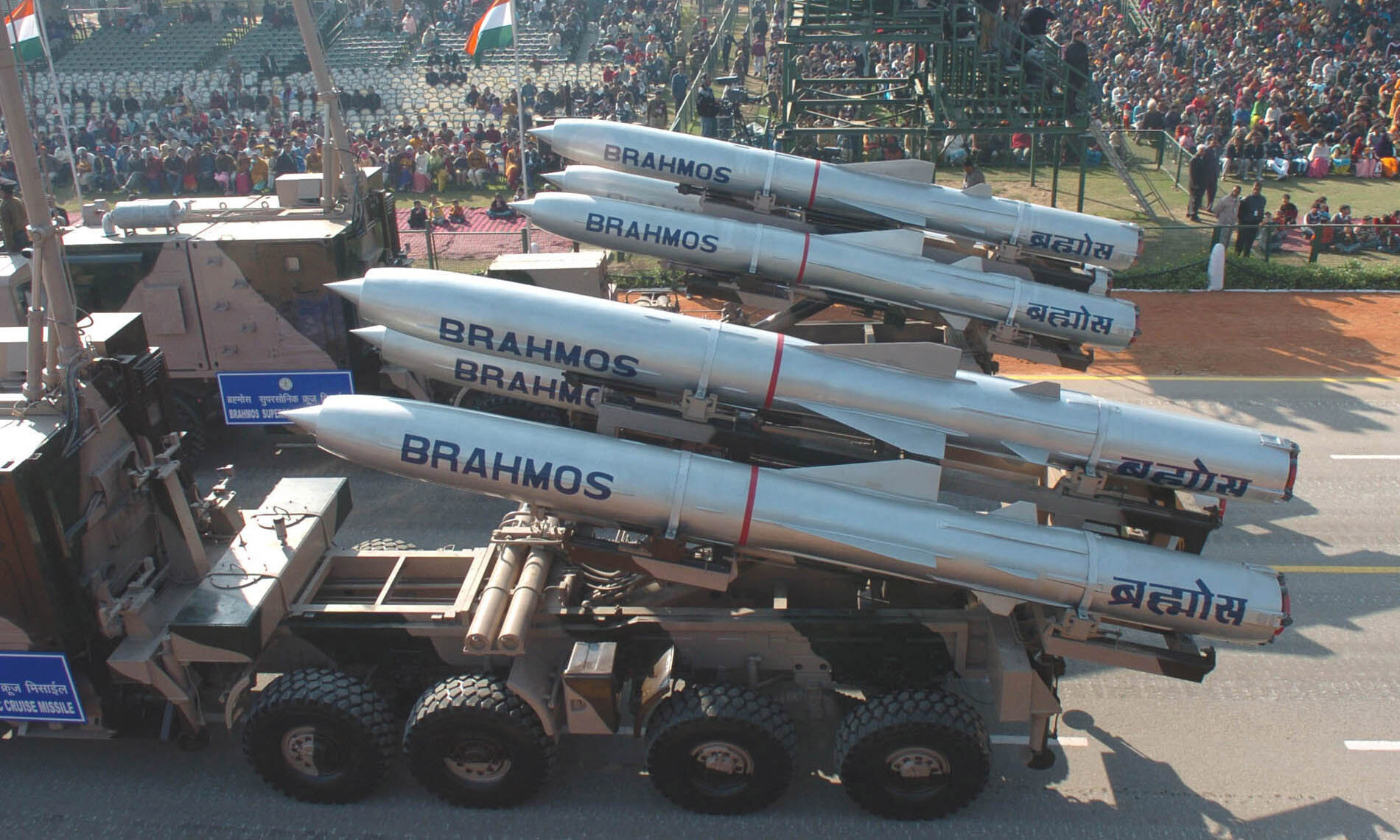
India has opted to delay the development of BrahMos-NG, the next-generation variant of its joint Russian-Indian cruise missile, to prioritise the creation of an entirely indigenous supersonic missile system tailored to counter emerging threats from China, according to defence sources.
The decision reflects a strategic shift toward reducing dependence on foreign partnerships in critical missile programmes and accelerating India’s indigenous defence manufacturing capabilities under the Make in India initiative.
BrahMos, a joint venture between India’s Defence Research and Development Organisation (DRDO) and Russia’s NPO Maschinostroeyenia, has been a cornerstone of the Indian Air Force and Navy’s strike arsenal since its induction in 2005. The system is a ramjet-powered, supersonic cruise missile with a range of 290 kilometres, travelling at speeds exceeding Mach 2.8. Multiple variants have been operationalised across platforms including Su-30MKI fighter jets, naval destroyers, and land-based launcher units.
BrahMos-NG was envisioned as an advanced iteration incorporating enhanced guidance systems, extended range, and improved accuracy. The variant was expected to maintain India’s technological edge while addressing emerging air defence networks in the Indo-Pacific region. However, the postponement signals that DRDO now views indigenous development as strategically preferable to incremental upgrades of a co-developed platform.
The new indigenous programme targets a supersonic cruise missile with specifications designed to penetrate advanced air defence systems operational across the Tibetan plateau and within China’s mainland, where existing BrahMos variants face engagement risks from layered surface-to-air missile networks.
India’s push for indigenous missile systems has accelerated over the past decade, driven by geopolitical tensions and the need for assured supplies during conflict. The success of Brahmos-derived land-attack systems and the maturation of DRDO’s Nirbhay subsonic cruise missile programme have bolstered institutional confidence in building supersonic variants independently.
The indigenous effort will likely draw on DRDO’s existing expertise in ramjet propulsion, terrain-contour matching guidance, and composite airframe design. Integration with modern Indian combat platforms, including the HAL Tejas fighter jet and future naval frigates, forms part of the long-term vision.
The delay of BrahMos-NG does not impact the operational status of existing BrahMos variants, which remain fully operational across the Indian Air Force and Navy. Production of current-generation missiles will continue to support fleet modernisation timelines.