


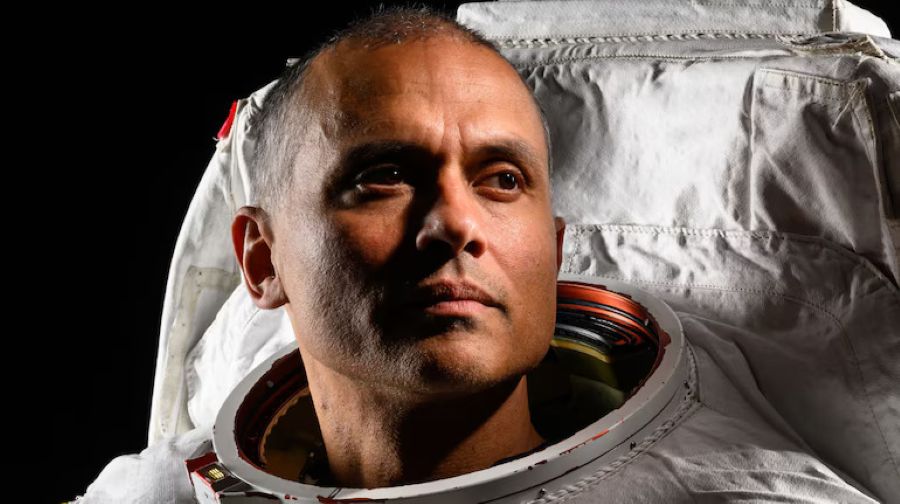
Dr. Anil Menon has become the first astronaut of Indian descent to join the International Space Station, marking a significant milestone for India’s human spaceflight ambitions and the global representation of Indian talent in space exploration.
The achievement underscores India’s growing footprint in human spaceflight at a time when the Indian Space Research Organisation is preparing for its own crewed missions under the Gaganyaan programme. India’s space agency has been developing indigenous capabilities to launch Indian astronauts to orbit and back, a goal that has driven investment in life support systems, re-entry vehicle design, and ground infrastructure over the past decade.
India’s engagement with the ISS has deepened beyond cargo missions and scientific experiments. The participation of Indian astronauts in ISS expeditions represents both a validation of Indian training standards and recognition within the global space community. These missions generate valuable operational experience that feeds directly into domestic human spaceflight programmes.
Gaganyaan, India’s flagship crewed spaceflight initiative, aims to send Indian astronauts to low Earth orbit for multi-day missions. The programme has completed critical milestones including unmanned test flights and qualification of life support and abort systems. Regular ISS participation by Indian astronauts accelerates knowledge transfer and helps India refine protocols for long-duration spaceflight operations in microgravity.
India’s space diaspora has long contributed to global space agencies. However, direct participation by Indian nationals in crewed missions to the ISS amplifies India’s voice in international space governance and orbital operations. The ISS serves as a training ground where Indian astronauts gain hands-on experience in systems and procedures that will inform Gaganyaan mission architecture.
Dr. Menon’s presence aboard the station reflects the caliber of talent within India’s astronaut corps and the rigorous selection and training protocols administered by ISRO. His mission carries symbolic weight for India’s space ambitions, particularly among younger scientists and engineers who see a direct pathway to India-led human spaceflight programmes entering operational service within the next few years.
The timing coincides with India’s broader push to position itself as a spacefaring nation capable of independent human launch and recovery operations. As Gaganyaan progresses through final qualification phases, each mission flown by Indian astronauts on international platforms builds the institutional knowledge and confidence required to execute India’s own crewed orbital missions safely and reliably.