


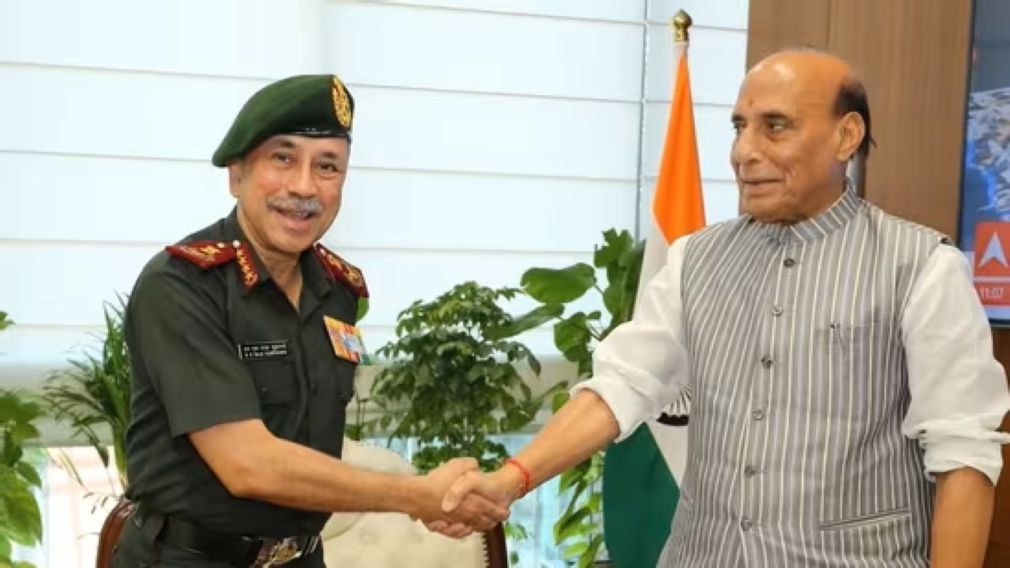
India’s long-awaited military theatre command reforms are set to enter a decisive phase as Chief of Defence Staff (CDS) General N S Raja Subramani is expected to brief Defence Minister Rajnath Singh on the proposed Integrated Theatre Commands framework. The presentation is likely to outline the structure, objectives and implementation roadmap of the reform, which aims to transform how the Indian Army, Navy and Air Force conduct joint military operations.
The proposal represents one of the most significant organisational changes in India’s defence establishment since Independence. It seeks to replace the existing service-specific operational command system with integrated theatre commands that will combine resources from all three armed services under a single operational commander for specific geographical regions. Defence planners believe this unified approach will improve coordination, accelerate decision-making during crises, optimise the use of military assets and enhance India’s preparedness for modern multi-domain warfare.
The theatre command proposal has been refined after years of consultations involving the Department of Military Affairs, Headquarters Integrated Defence Staff and the leadership of the three services. General Raja Subramani is expected to present the final framework before it is forwarded for consideration by the Cabinet Committee on Security (CCS), which will take the final decision on its implementation.
If approved, the new structure is expected to establish separate theatre commands responsible for India’s northern, western and maritime operational fronts while further strengthening joint planning, intelligence sharing and integrated combat capabilities. The reform is also expected to streamline command responsibilities and improve interoperability between the Army, Navy and Air Force, enabling faster and more coordinated responses to evolving security challenges.
Defence analysts view the initiative as a landmark step in India’s ongoing military modernisation programme. By creating a unified command structure, the armed forces are expected to become more agile, efficient and better equipped to handle future conflicts that increasingly require seamless coordination across land, air, maritime, cyber and space domains. With the proposal now moving towards political review, India appears closer than ever to implementing one of its most ambitious defence reforms aimed at enhancing jointness and operational effectiveness across the armed forces.