


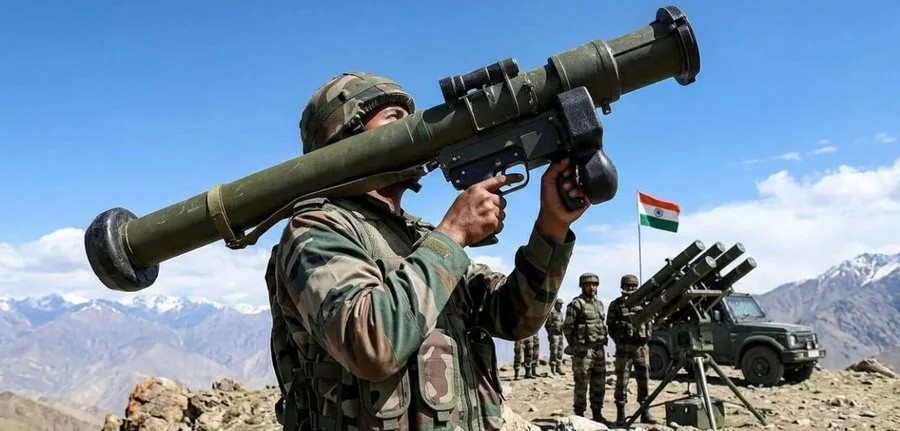
Artificial intelligence-powered battle simulations are emerging as a cost-effective tool to enhance soldier training and operational readiness across Indian defence forces, according to recent reporting.
The shift toward AI-driven virtual combat environments represents a significant departure from traditional field exercises, which are resource-intensive, time-consuming, and geographically constrained. Simulation-based training allows troops to conduct repeated tactical scenarios, test decision-making under pressure, and evaluate emerging doctrinal concepts without the logistical burden of live exercises.
The Indian Army has long relied on command post exercises and field training camps as primary tools for unit preparation. Large-scale exercises such as Brasstacks, Yudh Abhyas, and divisional-level operations demand substantial allocation of resources, fuel, ammunition, and personnel across extended timelines. AI simulations offer a parallel capability that can run continuously, scale to multiple units simultaneously, and generate detailed performance analytics for immediate feedback to commanders.
DRDO’s work on military simulation platforms has grown over the past decade as part of India’s broader push toward network-centric warfare and digital modernisation. Simulation technologies allow forces to model complex terrain, multi-domain threats, and adversary behaviour patterns without deploying personnel to operational zones. This is particularly valuable for training on counter-insurgency tactics, air defence coordination, and rapid decision-making in contested environments.
The cost advantage is substantial. Traditional field exercises at battalion and brigade level require movement of troops, vehicles, ammunition, and support infrastructure across hundreds of kilometres. AI simulations reduce these overheads while enabling more frequent training cycles and higher participation rates across the armed forces. Soldiers can engage in realistic combat scenarios repeatedly, building muscle memory and tactical intuition that transfers to real operations.
International militaries have already adopted such systems at scale. The United States Military’s Combined Arms Center uses the OneSAF (One Semi-Automated Forces) simulation suite for training across multiple service branches. NATO nations employ similar platforms for joint exercises and doctrine development. India’s move toward AI-powered simulations aligns with global military practice while addressing the logistical constraints of training across a geographically vast and operationally diverse theatre.
The integration of AI into military training also supports India’s defence modernisation agenda under Make in India, reducing dependence on imported training systems and building indigenous capability in defence software and simulation technology. As the Indian Army continues to reshape its operational doctrine around network integration and multi-domain operations, simulation-based training becomes a foundational element of force preparation.