


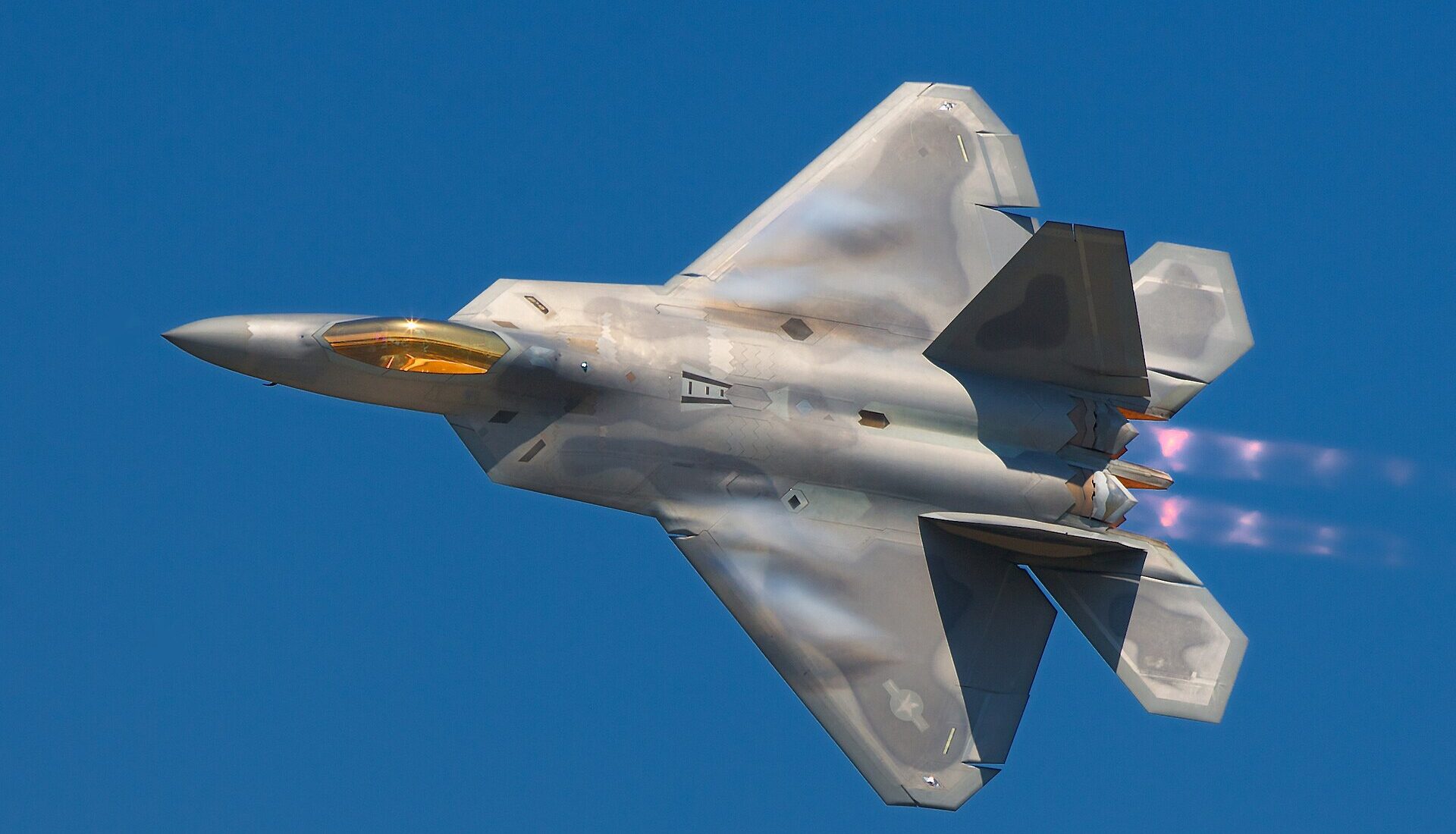
India and Israel could explore a new dimension of defence cooperation through potential collaboration in next-generation stealth fighter technologies. While there is currently no official confirmation of a joint Indo-Israeli stealth fighter programme, the possibility highlights the growing technological depth of defence ties between the two countries.
India has been expanding its indigenous fighter-development capabilities through programmes such as the Tejas and the Advanced Medium Combat Aircraft (AMCA). These programmes are helping build expertise in aircraft design, manufacturing, systems integration and advanced aerospace technologies.
Israel, meanwhile, has developed strong capabilities in areas including electronic warfare, avionics, radar, sensors, precision weapons and aircraft mission systems. These strengths could complement India’s growing ability to develop and manufacture advanced combat aircraft.
A potential partnership could focus initially on specialised technologies rather than the immediate development of an entirely new fighter. Electronic warfare, advanced sensors, mission systems, secure communications and unmanned technologies could offer areas where both countries’ capabilities are complementary.
For India, cooperation with Israel could support efforts to strengthen critical defence technologies and expand domestic manufacturing. For Israel, closer engagement with India’s growing aerospace industry could create opportunities for technology development, industrial cooperation and participation in future aviation programmes.
However, developing a stealth fighter would involve significant technical, financial and industrial challenges. Issues such as propulsion, low-observable design, advanced software, sensor integration, technology transfer and intellectual property would need to be addressed before any major joint programme could move forward.
India’s AMCA programme would also remain an important consideration. Any future international cooperation would need to complement India’s indigenous fighter-development roadmap rather than replace it.
At present, an Indo-Israeli stealth fighter remains a potential concept and not a confirmed joint project. Nevertheless, the combination of India’s expanding aerospace manufacturing capabilities and Israel’s expertise in advanced combat systems could provide a foundation for deeper cooperation in next-generation military aviation.
If both countries eventually decide to pursue such cooperation, it could strengthen their defence-industrial capabilities while opening new possibilities in advanced fighter technology and aerospace development.