

The ongoing conflict involving the United States, Israel, and Iran has taken a serious turn as reports indicate that the US has suffered the loss of at least 16 aircraft during its air campaign against Iranian targets. The losses reportedly include a mix of advanced fighter jets, surveillance platforms, drones, and aerial refuelling aircraft, highlighting the intensity and complexity of the current battlefield.
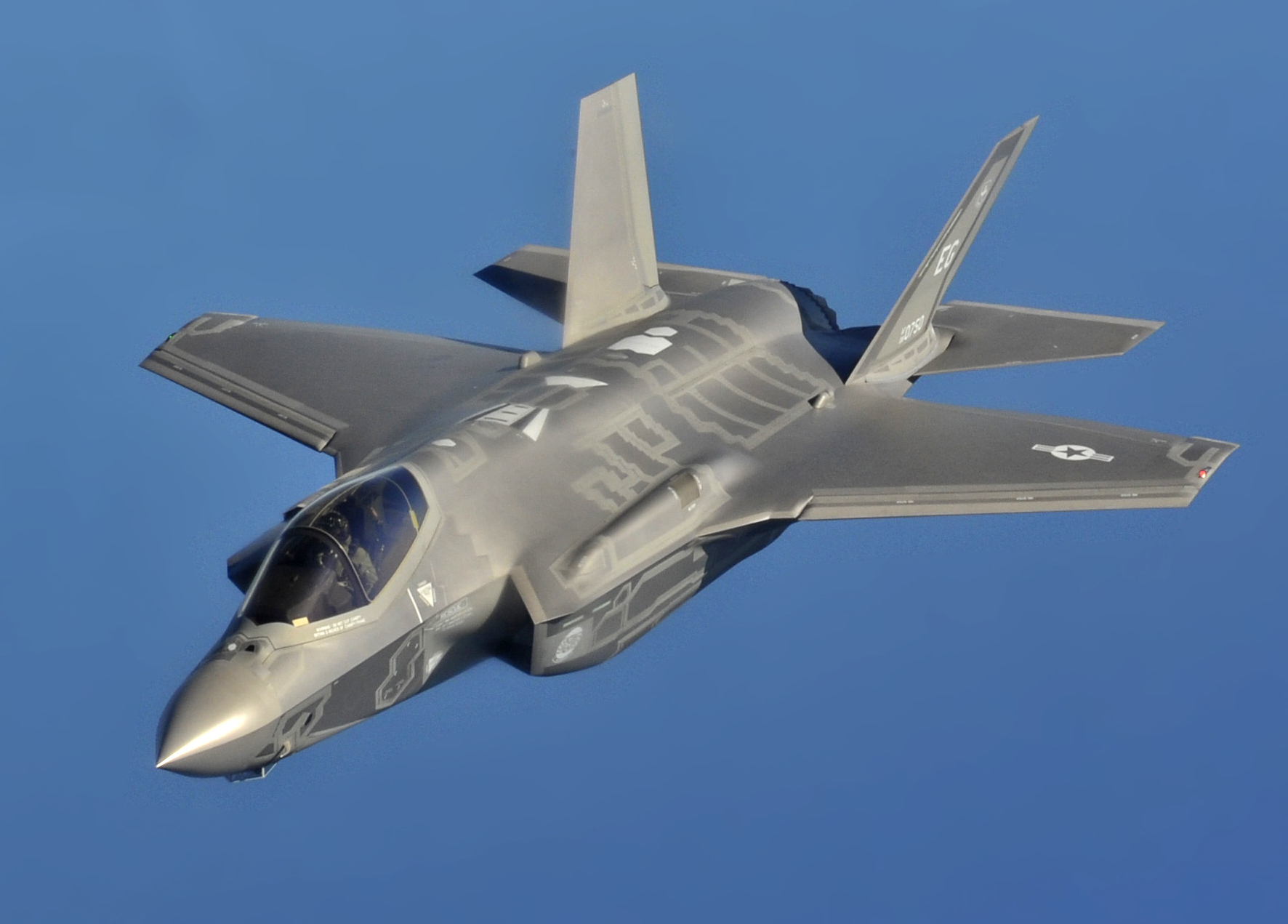
Despite deploying some of its most sophisticated assets, including F-35 stealth fighters, F-15 strike aircraft, MQ-9 Reaper drones, and KC-135 tankers, the US Air Force has faced unexpected resistance from Iran’s integrated air defence network. Several aircraft are believed to have been shot down or severely damaged while carrying out strikes on key military installations and strategic infrastructure.
In addition to aircraft losses, the conflict has exposed vulnerabilities in critical radar and missile defence systems. Iranian strikes have reportedly targeted important radar installations associated with missile tracking and early warning, including those linked to the THAAD system. Damage to such systems could impact the effectiveness of regional missile defence coverage and create operational challenges for US forces in the region.
Iran, while absorbing significant strikes on its own facilities, appears to have adopted a layered defence approach, combining surface-to-air missiles, drone operations, and electronic warfare tactics to counter US and allied air superiority. This has made the airspace increasingly contested, reducing the effectiveness of conventional dominance strategies typically employed by advanced air forces.
The developments are being closely watched by defence analysts worldwide, as they underline a shifting reality in modern warfare where even technologically superior forces face heightened risks in contested environments. The loss of high-value assets and the targeting of key defence infrastructure suggest that future conflicts may demand greater emphasis on survivability, redundancy, and adaptive combat strategies.
As the situation continues to evolve, the ongoing air campaign is likely to influence military planning and doctrine, particularly in the areas of air defence suppression, protection of strategic assets, and resilience of surveillance networks in high-threat scenarios.