


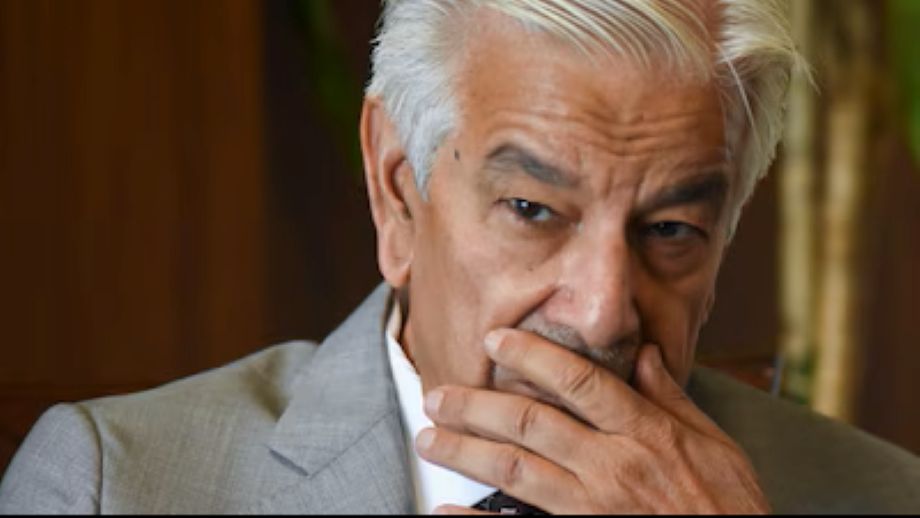
Pakistan Defence Minister Khawaja Asif has linked Operation Sindoor with Pakistan’s defence agreement with Saudi Arabia, highlighting the changing strategic dynamics surrounding Islamabad’s security partnerships.
Pakistan Defence Minister Khawaja Asif has linked India’s Operation Sindoor with the recently signed Mecca Joint Defence Agreement between Pakistan and Saudi Arabia, bringing the 2025 India-Pakistan military confrontation into the context of Islamabad’s expanding defence partnerships.
Asif’s remarks underline the importance Pakistan attaches to its growing strategic relationship with Saudi Arabia at a time when regional security dynamics are becoming increasingly interconnected. The comments also place Operation Sindoor within a broader discussion about Pakistan’s defence posture and its relationships with key regional partners.
Operation Sindoor was launched by India in May 2025 following the Pahalgam terror attack. The operation targeted terrorist infrastructure in Pakistan and Pakistan-occupied Jammu and Kashmir and was followed by a significant military confrontation between India and Pakistan. The escalation involved air operations, missiles, drones and other military capabilities before the hostilities were brought to an end.
The operation has remained a major reference point in statements concerning Pakistan’s military and strategic policies. By connecting it with the Mecca defence agreement, Asif has highlighted the relevance of Pakistan’s defence ties with Saudi Arabia to the country’s wider security calculations.
Pakistan and Saudi Arabia have maintained longstanding political, economic and defence relations, with military cooperation forming an important part of their bilateral engagement. The latest defence agreement represents another development in that relationship and could have broader implications for regional security depending on how military cooperation between the two countries evolves.
The development is also significant for India because Saudi Arabia maintains substantial diplomatic and economic relations with New Delhi. India and Saudi Arabia have expanded cooperation in areas including energy, investment, trade and strategic engagement in recent years. Consequently, developments in Saudi-Pakistani defence cooperation are being watched closely from an Indian security perspective.
The reference to Operation Sindoor also reflects the continuing strategic competition between India and Pakistan. Both countries have been strengthening their military capabilities, while their respective defence partnerships with external powers are contributing to a more complex security environment across South Asia and the wider Middle East.
India has continued to focus on military modernisation involving fighter aircraft, missiles, drones, air-defence systems and other advanced platforms. Pakistan has similarly sought to strengthen its military capabilities through cooperation with strategic partners, particularly China and other regional countries.
Asif’s latest remarks therefore highlight how the consequences of Operation Sindoor continue to influence Pakistan’s security narrative. They also demonstrate how developments in South Asian security are increasingly linked with broader defence partnerships across the Gulf region.
The long-term significance of the Mecca defence agreement will depend on the practical scope of military cooperation between Pakistan and Saudi Arabia. For India, the evolving relationship will remain an important strategic development as New Delhi continues to assess changes in the regional security landscape.