

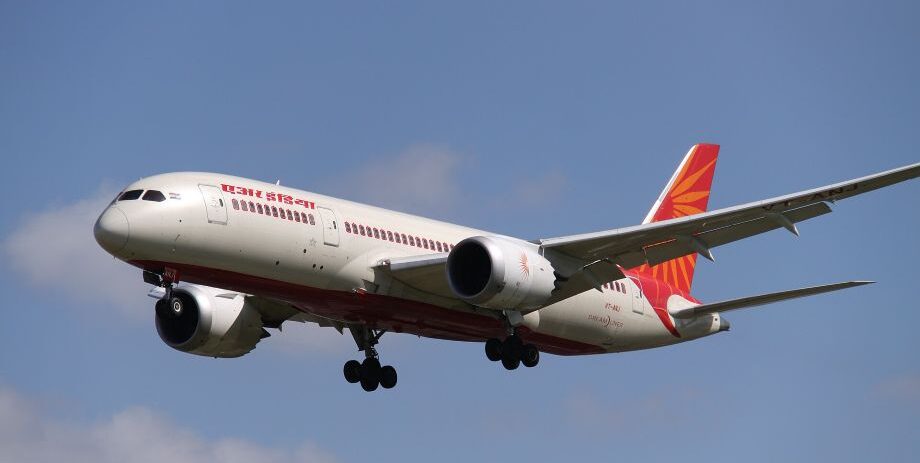
Air India is facing increased scrutiny over pilot drug screening after two more pilots reportedly returned non-negative results in preliminary psychoactive-substance tests, adding to concerns surrounding crew safety and regulatory compliance in the airline’s operations.
The development comes days after an Air India Airbus A320neo operating flight AI2379 from Phuket to New Delhi experienced a sudden loss of altitude during the flight on August 4. The aircraft reportedly dropped by around 300 feet while flying over Odisha before recovering and continuing safely to Delhi. The incident left passengers and crew members injured.
The flight’s captain subsequently returned a positive result for marijuana in a confirmatory laboratory test, according to sources cited by Reuters. Both pilots had undergone mandatory psychoactive-substance screening after the incident, with the captain’s initial result requiring additional laboratory confirmation.
The latest reports concerning two additional pilots are likely to intensify attention on Air India’s internal safety procedures and the effectiveness of existing crew-screening arrangements. However, a preliminary non-negative result does not by itself establish that a pilot was under the influence of a prohibited substance while operating an aircraft. Confirmatory laboratory testing and the regulatory investigation are required before any final conclusion can be reached.
Following the incident, Air India announced a broader testing programme covering all of its pilots, including those employed by Air India Express. The airline’s expanded checks are expected to be conducted at multiple points, including during training and at designated pilot bases.
The airline’s move comes as investigators continue examining the circumstances behind the Phuket–Delhi flight’s sudden altitude change. Importantly, preliminary technical findings have also pointed towards an aircraft-system issue. Airbus analysis reported that the A320neo temporarily experienced a loss of hydraulic pressure across its three hydraulic systems, causing key flight controls to become unresponsive for several seconds.
This means the drug-screening developments and the technical investigation need to be treated as separate lines of inquiry unless investigators establish a direct connection. The Aircraft Accident Investigation Bureau is examining the incident with assistance from Airbus and France’s BEA, while technical inspections and analysis of the aircraft continue.
The latest developments are expected to put greater emphasis on Air India’s crew-management practices, medical oversight and compliance with aviation safety requirements. The airline has already indicated that the expanded testing programme is intended to strengthen safety standards and reassure passengers and other stakeholders.
As the investigation progresses, authorities will need to determine the significance of the preliminary screening results involving the additional pilots, while separately establishing the precise cause of the Phuket–Delhi aircraft’s altitude loss.
For now, the reported preliminary results should not be interpreted as confirmation of in-flight impairment. Final laboratory findings and regulatory investigations will be crucial in determining whether any violations occurred and whether further safety measures are required across Air India’s operations.