


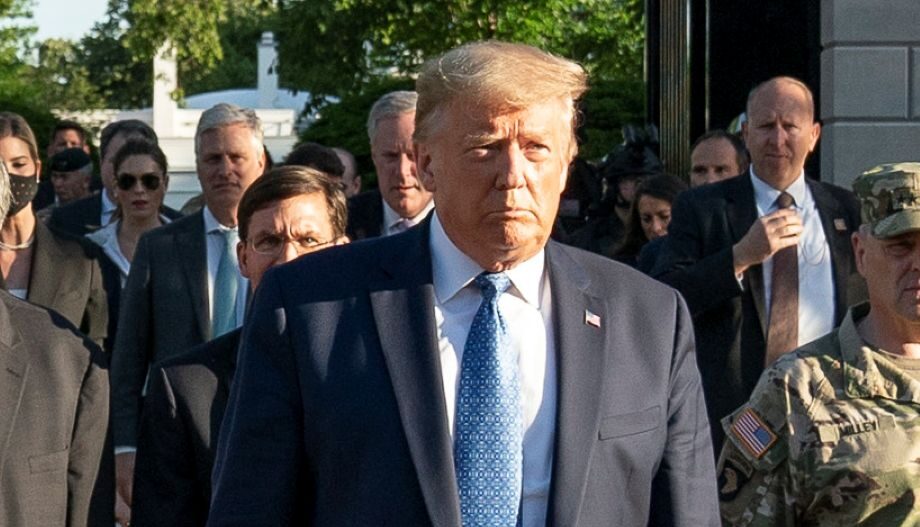
US President Donald Trump has announced plans to end the United States’ annual military assistance to Israel by the end of 2026, signalling a potential shift in the long-standing defence partnership between the two countries. Speaking during an interview with Fox News on November 3, Trump said Israel no longer required billions of dollars in American financial support to maintain its military capabilities.
Trump indicated that the decision had been discussed with Israeli Prime Minister Benjamin Netanyahu several months earlier. He argued that Israel had developed sufficient economic strength to purchase the weapons and military equipment it needs independently. However, he clarified that the move would not necessarily end American arms sales to Israel, suggesting that the country could continue acquiring US-made defence systems through direct purchases.
Under the existing 10-year Memorandum of Understanding signed in 2016, the United States committed approximately $3.8 billion annually in security assistance to Israel through September 2028. This includes funding for foreign military financing and joint missile defence programmes. Trump’s announcement raises questions about how Washington intends to modify the existing arrangement before its scheduled expiration.
The proposed change comes amid growing political debate in the United States over the scale of military assistance provided to Israel, particularly following the prolonged Gaza conflict and rising tensions across the Middle East. Critics have increasingly questioned the financial and political implications of continued American support.
The announcement has also generated concerns among Israeli opposition figures, who have questioned the potential impact on the country’s long-term security planning. Israel relies significantly on American military technology, including F-35 fighter aircraft, precision-guided weapons and advanced missile defence systems.
Despite the proposed withdrawal of annual financial assistance, continued access to American defence equipment and military technology is expected to remain an important part of bilateral relations. However, the future structure of joint defence programmes and funding arrangements remains unclear.
Trump’s announcement therefore points towards a possible restructuring of US-Israel military cooperation rather than a complete end to their defence partnership. The implementation timeline and official response from both governments will be important in determining the impact on Israel’s defence capabilities and wider Middle East security.