


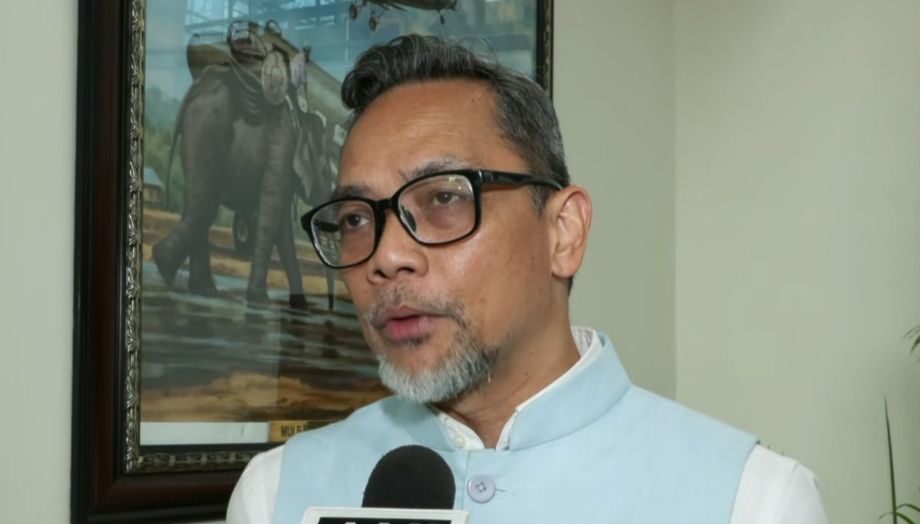
The Philippines has expressed strong confidence in India’s BrahMos supersonic cruise missile system, highlighting its growing importance in strengthening the country’s defence capabilities and maritime deterrence. Philippine Ambassador to India Josel F. Ignacio said Manila is highly satisfied with the acquisition and proud to have become the first international customer for the Indian-made missile technology.
At the Indo-Pacific Regional Dialogue 2026 in New Delhi on November 3, Ignacio described the BrahMos acquisition as a significant milestone in the Philippines’ defence modernisation programme. He noted that the missile system has enhanced the country’s ability to deter potential threats and protect its maritime interests, particularly amid continuing security challenges in the South China Sea.
The ambassador emphasised that the Philippines views the BrahMos system primarily as a deterrence capability rather than an offensive weapon intended for use in conflict. He reiterated that Manila remains committed to peace but recognises the importance of maintaining credible military capabilities to safeguard its territorial interests.
The Philippines signed a $375 million agreement with India in January 2022 to procure three shore-based BrahMos anti-ship missile batteries for the Philippine Marine Corps. The contract marked India’s first major export order for the BrahMos missile system and represented an important achievement for the country’s growing defence manufacturing and export ambitions.
The agreement covers coastal defence systems designed to strengthen the Philippines’ ability to protect its maritime approaches. The acquisition also reflects Manila’s efforts to modernise its armed forces and improve its preparedness amid increasing strategic competition in the Indo-Pacific region.
Ignacio also indicated that the BrahMos agreement has significantly strengthened India’s reputation as a reliable defence technology supplier for the Philippines. According to him, the successful cooperation has encouraged Manila to consider India for other advanced military equipment requirements in the coming years.
Beyond the missile programme, the Philippines has already procured several categories of defence-related equipment from India, including military helmets, protective vests and trucks. These purchases have been facilitated through existing defence equipment cooperation arrangements between the two countries.
The ambassador suggested that the BrahMos partnership could open opportunities for a broader range of high-technology defence purchases. However, he clarified that decisions regarding additional procurement would depend on the Philippines’ defence ministry and armed forces. While the possibility of further BrahMos acquisitions remains open, no new order or procurement commitment has been officially announced.
The positive assessment comes amid expanding defence and strategic cooperation between New Delhi and Manila. Both countries have been strengthening their engagement in maritime security, military modernisation, defence industry cooperation and regional stability.
During the recent meeting between Indian Defence Minister Rajnath Singh and Philippine Defence Secretary Gilberto Teodoro Jr. on the sidelines of the 13th ASEAN Defence Ministers’ Meeting-Plus in Cebu on October 28, both sides reaffirmed their commitment to expanding bilateral defence cooperation. Discussions included maritime security, military engagements, defence modernisation and the progress of the BrahMos missile project.
India’s growing defence partnership with the Philippines also reflects New Delhi’s broader strategic engagement with Southeast Asia under its Act East Policy and Indo-Pacific vision. For Manila, cooperation with India offers an opportunity to diversify its defence procurement sources while strengthening its domestic military capabilities.
The Philippines’ positive response to the BrahMos programme represents an important endorsement of India’s indigenous defence manufacturing ambitions and international defence export potential. As bilateral cooperation continues to expand, the missile agreement could serve as a foundation for further technology partnerships and advanced military procurement between the two countries.