


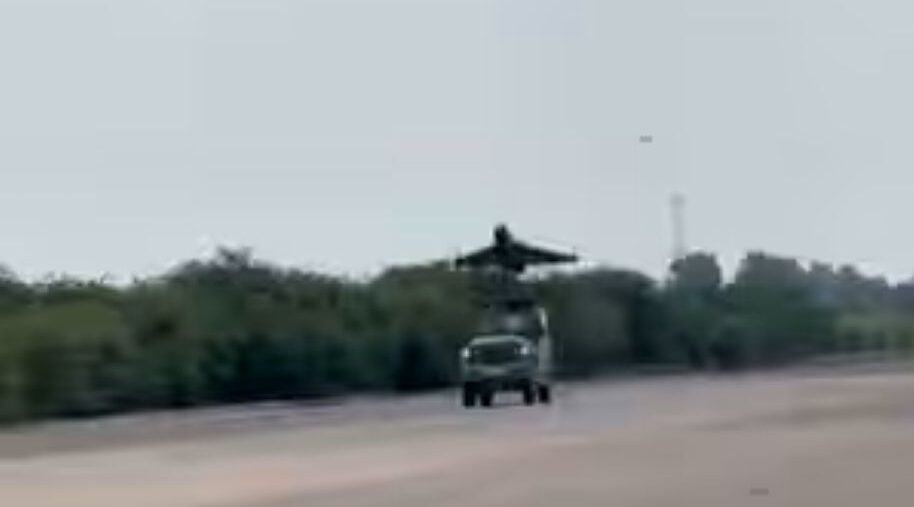
India has taken another major step towards self-reliance in advanced defence technology with the successful maiden flight of the Divyastra Mk3, an indigenous jet-powered loitering munition developed by Lucknow-based defence startup Kawa UAV Pvt. Ltd. (HoverIt).
The flight, conducted on 11 August 2026, represents a significant milestone because the Divyastra Mk3 combines an Indian-developed airframe, autonomous systems and an indigenous jet propulsion system. The platform is being developed within the Uttar Pradesh Defence Industrial Corridor, highlighting the growing role of India’s private defence industry in developing next-generation unmanned systems.
According to reports, the Divyastra Mk3 is powered by an indigenous jet engine developed by DG Propulsion. Kawa UAV stated that the system was developed without an imported jet engine or foreign critical subsystem, reflecting the increasing emphasis on domestic design and manufacturing capabilities in India’s defence sector.
The successful flight is particularly important because jet propulsion can provide higher speed and different operational characteristics compared with conventional electrically powered loitering munitions. Such systems are designed to remain in the target area before engaging designated targets, combining characteristics of unmanned aircraft and precision-strike weapons.
Kawa UAV’s achievement also demonstrates the expanding capabilities of Indian defence startups in areas that have traditionally depended heavily on established defence manufacturers and overseas technology. The company has highlighted the rapid development of the Divyastra Mk3, saying that the programme progressed from inception to maiden flight within a relatively short period.
The development comes at a time when loitering munitions are receiving increasing attention from the Indian armed forces. The growing focus on these systems reflects their increasing importance in modern warfare, where unmanned platforms can provide forces with flexible surveillance and precision-strike capabilities.
The Divyastra Mk3 therefore represents more than the flight of a new unmanned aircraft. It points to a broader shift towards developing complete defence systems domestically, including propulsion, autonomous technologies and precision-strike platforms. Continued testing and evaluation will determine how the system progresses towards operational maturity, but the maiden flight establishes an important technological foundation for India’s future unmanned warfare capabilities.
With the successful flight of the Divyastra Mk3, India’s indigenous defence ecosystem has demonstrated growing competence in developing jet-powered unmanned strike platforms, further strengthening the country’s push for self-reliance in critical aerospace and defence technologies.