


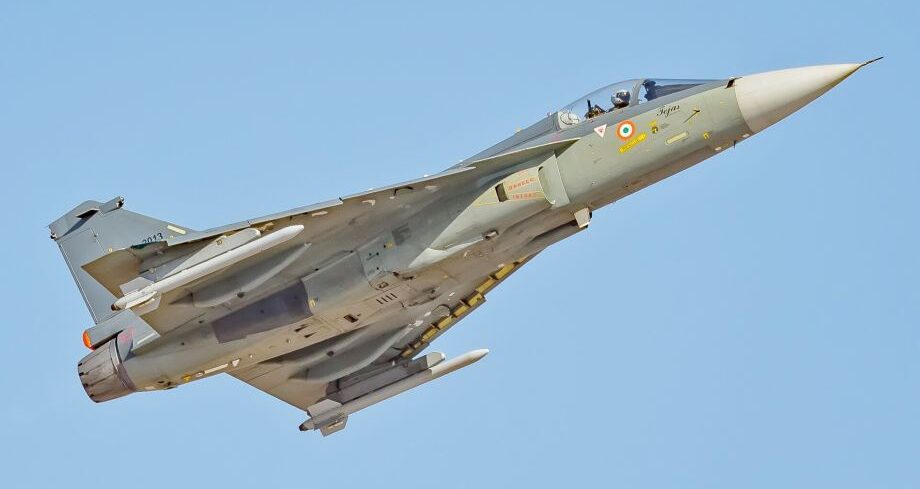
India’s defence and aviation industry is entering a major growth phase, with the combined market projected to reach around $60 billion by 2033. However, the expansion of the two sectors is expected to follow distinctly different paths, with defence increasingly supported by indigenous manufacturing while aviation continues to depend significantly on foreign suppliers.
India’s defence sector has gained momentum through government policies aimed at strengthening domestic production and reducing reliance on overseas procurement. Measures such as the Defence Acquisition Procedure and positive indigenisation lists have encouraged Indian companies to develop and manufacture a wider range of military equipment within the country.
The increase in defence spending has also created stronger opportunities for domestic manufacturers. Indian defence companies involved in aerospace, electronics, missiles and other military systems are positioned to benefit as procurement increasingly shifts towards locally produced platforms and equipment.
Defence exports have emerged as another important growth area. India’s military products are gaining visibility in international markets, with the United States remaining an important destination while countries in Europe and other regions are also becoming potential customers. The government’s long-term export ambitions indicate an effort to transform India from a major defence importer into a competitive defence manufacturing and exporting nation.
At the same time, emerging technologies are reshaping military procurement priorities. Unmanned aerial systems and counter-drone technologies are becoming increasingly important as modern armed forces seek cost-effective capabilities for surveillance, reconnaissance and combat operations. India is expected to allocate substantial resources to both drone systems and technologies designed to counter hostile unmanned platforms.
The aviation sector presents a different picture. Despite efforts under initiatives such as Make in India and production-linked incentives, India continues to face limitations in the domestic manufacture of advanced aircraft. As a result, a significant share of aviation-related requirements continues to be fulfilled through international suppliers.
This contrast is particularly important as India simultaneously seeks to modernise its military capabilities and expand its broader aviation ecosystem. Building advanced aircraft manufacturing capacity, developing indigenous technologies and strengthening aerospace supply chains will remain key challenges in reducing long-term import dependence.
The next several years could therefore prove decisive for India’s defence and aviation industries. While defence manufacturing is moving steadily towards greater self-reliance and export competitiveness, aviation will need further investment in technology, infrastructure and industrial capabilities to achieve a similar level of domestic strength.
With the overall market expected to reach $60 billion by 2033, the growth of these sectors could create significant opportunities for Indian manufacturers, technology companies and aerospace suppliers while strengthening the country’s strategic industrial base.