


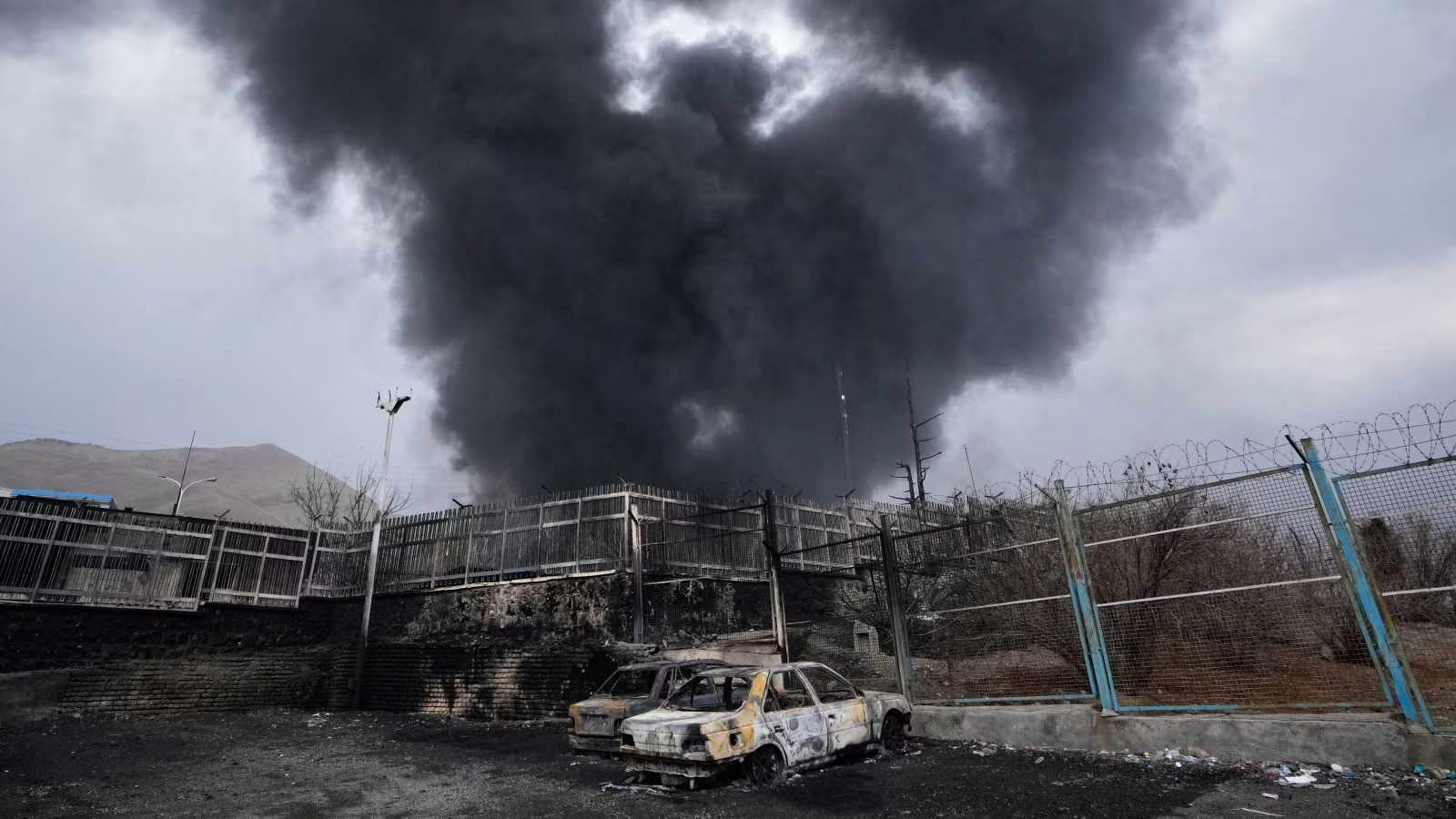
The United States’ ongoing military operations against Iran have already imposed a significant financial burden, with the Pentagon confirming that the conflict has cost over $25 billion within a short span. The disclosure underscores the scale and intensity of the campaign, as well as the long-term economic implications for Washington.
According to defence officials, the expenditure reflects a combination of high-tempo military activities, including sustained airstrikes, naval deployments, and the use of advanced precision-guided weapons. A considerable portion of the funding has been directed toward operational logistics, troop support, and replenishment of expensive missile systems used during the conflict.
The war, which escalated earlier this year, has required the US to maintain a strong military presence across the Middle East. Aircraft carriers, strategic bombers, and air defence systems have all played a role in the operations, significantly driving up costs. Analysts suggest that the financial outlay could rise sharply if the conflict continues at the current pace.
Beyond immediate battlefield expenses, the Pentagon is also facing the challenge of rebuilding depleted stockpiles of critical munitions. Experts warn that restocking advanced weapons systems is both time-consuming and costly, potentially affecting the US military’s preparedness in other global theatres.
The growing financial toll has sparked debate within US political circles. Lawmakers have increasingly questioned the sustainability of such high defence spending, particularly in the absence of a clearly defined long-term strategy. Concerns are also being raised about whether the economic cost aligns with the strategic objectives of the campaign.
On the global front, the conflict has added fresh uncertainty to already volatile energy markets. Tensions in the Middle East—home to some of the world’s most crucial oil supply routes-have contributed to fluctuations in crude prices, indirectly impacting economies worldwide.
While US defence authorities maintain that the operations are necessary to counter emerging threats and maintain regional stability, critics argue that the rising costs highlight the risks of prolonged military engagement. As the conflict continues, both its financial and geopolitical consequences are expected to remain under close scrutiny.