


India has strongly rejected the latest ruling by the Court of Arbitration in The Hague concerning the Indus Waters Treaty (IWT), reiterating that the tribunal has no legal standing to rule on India’s sovereign decisions. New Delhi has also reaffirmed that the 1960 water-sharing agreement with Pakistan remains in abeyance.
The Permanent Court of Arbitration (PCA) announced that the Court of Arbitration had issued an award concerning the status of the Indus Waters Treaty, along with an order on interim measures related to the Ratle hydro-electric plant. The proceedings were initiated by Pakistan under the dispute-resolution provisions of the treaty.
The arbitration panel concluded that the grounds cited by India for placing the treaty in abeyance did not justify its suspension or termination. According to the ruling, the Indus Waters Treaty remains in force and India is expected to comply with its obligations under the agreement, including provisions concerning hydro-electric projects on the Western Rivers.
India, however, has rejected the ruling outright. The Ministry of External Affairs has maintained that the Court of Arbitration was constituted in breach of the terms of the Indus Waters Treaty and that India has never recognised the body or participated in its proceedings. New Delhi has therefore said the tribunal has no jurisdiction to pronounce on India’s sovereign decisions or actions involving projects undertaken by the country.
The Embassy of India in Washington also reiterated this position, stating that India does not recognise the so-called Court of Arbitration and will not be bound by its pronouncements. The embassy further maintained that sovereign decisions relating to the Indus Waters Treaty remain with India and that the treaty continues to remain in abeyance.
The dispute has its roots in India’s decision in April 2025 to place the Indus Waters Treaty in abeyance following the Pahalgam terror attack. Since then, New Delhi has linked the future of the treaty to Pakistan taking credible and irreversible steps against cross-border terrorism. The move has significantly intensified the wider dispute between India and Pakistan over the management and utilisation of the Indus river system.
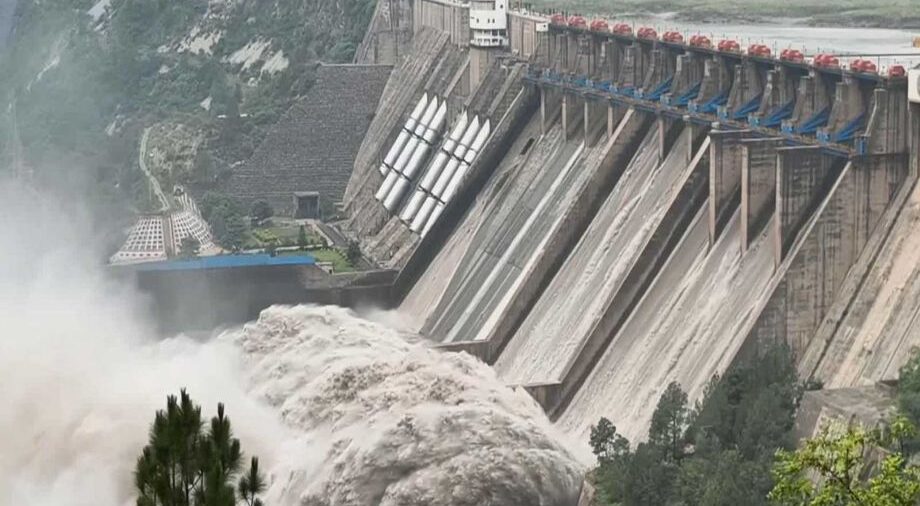
The latest ruling also comes amid continuing disagreements over Indian hydro-electric projects in Jammu and Kashmir. The arbitration proceedings have focused on the interpretation and application of treaty provisions governing run-of-river hydro-electric projects on the Indus, Jhelum and Chenab river systems.
India’s latest response signals that the legal and diplomatic dispute over the Indus Waters Treaty is far from settled. While the Hague-based tribunal has asserted that the treaty remains in force, New Delhi continues to reject the tribunal’s authority and says its decisions will have no effect on India’s actions concerning the treaty and related infrastructure projects.
The development is likely to further sharpen the diplomatic differences between India and Pakistan over water rights, treaty mechanisms and the role of international arbitration in bilateral disputes.