


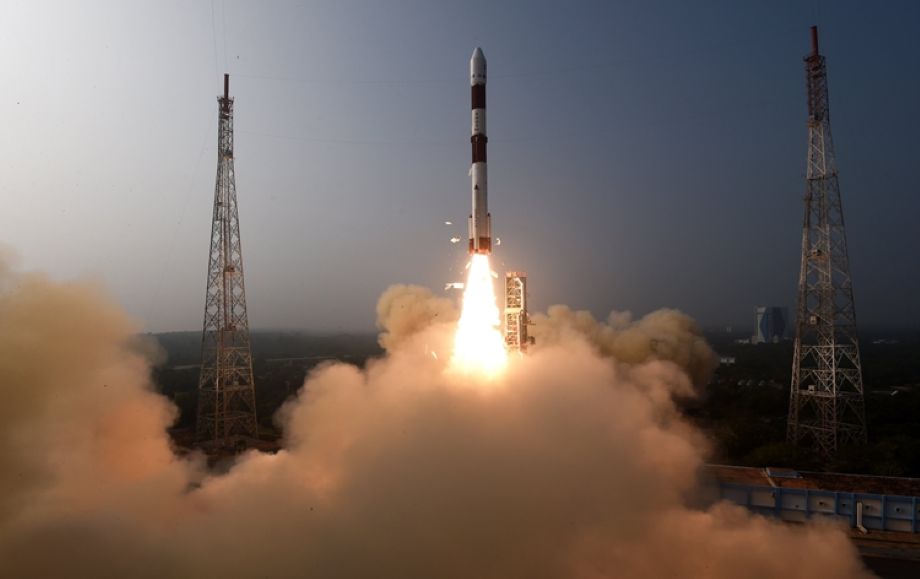
India is taking another step towards expanding private-sector participation in its space launch infrastructure, with the Indian National Space Promotion and Authorization Center (IN-SPACe) initiating the process to select an Indian private company to operate and manage the upcoming Small-Satellite Launch Complex at Kulasekarapattinam in Tamil Nadu.
The facility, being developed by the Indian Space Research Organisation (ISRO), is designed to support launches of small rockets and satellites, including missions using the Small Satellite Launch Vehicle (SSLV). The decision to involve a private operator marks another important development in India’s efforts to build a more commercially driven space sector.
Under the proposed arrangement, the selected private company will be responsible for managing the launch complex and providing launch services to vehicle developers and space companies using the facility. IN-SPACe is looking for an Indian entity with the required experience in managing large-scale infrastructure and multidisciplinary operations.
The Kulasekarapattinam launch complex is being developed to provide dedicated infrastructure for small-satellite launch missions. Its coastal location in southern Tamil Nadu offers suitable launch trajectories for missions heading towards polar and sun-synchronous orbits, making the facility important for the growing demand for small-satellite and Earth-observation missions.
The launch complex is being equipped with dedicated infrastructure required for small rocket missions, including a launch pad, mobile launch structure and supporting range systems. These facilities are expected to provide launch vehicle developers with greater access to infrastructure for commercial and institutional satellite missions.
The move to bring a private operator into the facility reflects India’s broader push to increase private-sector involvement across the space industry. The initiative is expected to create new opportunities for domestic companies involved in launch vehicles, satellites and other space technologies.
ISRO is expected to provide technical assistance, operational guidance and training to the selected private operator during the transition. This will allow the private company to build the capabilities needed to manage launch operations while benefiting from ISRO’s experience in space infrastructure and launch activities.
India’s private space sector has been expanding rapidly, with domestic companies developing launch vehicles, satellites and related technologies. A dedicated facility for small rockets could provide these companies with improved access to launch infrastructure and support a higher frequency of commercial missions.
Once completed and operational, the Kulasekarapattinam facility is expected to strengthen India’s small-satellite launch ecosystem. It could support both Indian and international satellite operators while giving private launch companies an additional platform for commercial missions.
The decision by IN-SPACe to begin the process of selecting a private operator highlights India’s continuing efforts to develop a competitive commercial space ecosystem. By combining government-developed infrastructure with private-sector capabilities, the initiative could further strengthen India’s position in the growing global small-satellite launch market