


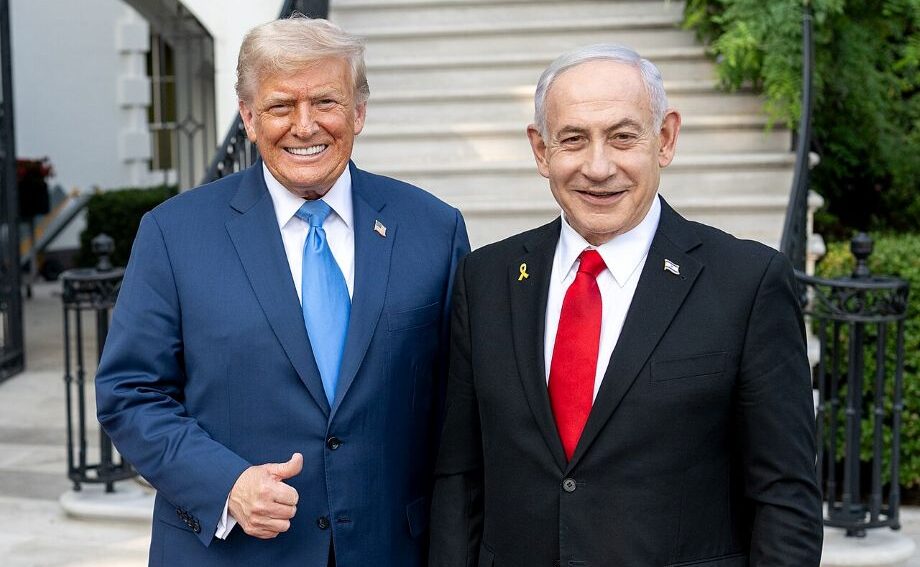
In a move that could reshape the geopolitical landscape of the Middle East, the United States and Israel have agreed to temporarily suspend plans for military action against Iran, opting instead to pursue a new round of diplomatic engagement over Tehran’s nuclear programme.
US President Donald Trump announced that Washington is prepared to give negotiations another opportunity, describing diplomacy as the preferred path to addressing concerns over Iran’s nuclear ambitions. Israeli Prime Minister Benjamin Netanyahu has endorsed the decision, signalling that Israel will support the diplomatic process while remaining vigilant about Iran’s strategic activities.
The decision comes after months of heightened tensions that fuelled speculation about a possible military confrontation. Instead of escalating the conflict, both governments are now seeking to test whether renewed dialogue can deliver a framework that strengthens regional stability and prevents further deterioration of security in the Gulf.
Iran has responded by reiterating its willingness to engage in discussions, provided its sovereignty and national interests are respected. Tehran has also rejected claims that it requested a suspension of military action, maintaining that any future understanding must be reached through balanced negotiations rather than external pressure.
Diplomatic sources believe the upcoming discussions could cover a broad range of issues, including nuclear oversight, sanctions, regional security, and mechanisms to reduce the risk of future military escalation. While expectations remain cautious, the reopening of communication channels is being viewed as a positive step after weeks of uncertainty.
The temporary pause in military planning has also eased concerns across global markets, where fears of conflict involving Iran had raised questions about energy security and the safety of commercial shipping through the Strait of Hormuz. Any prolonged disruption in the region could have significant consequences for international oil supplies and global trade.
Although diplomacy has taken centre stage for now, Washington and Tel Aviv have made it clear that the suspension of military action should not be interpreted as a permanent policy shift. Both governments continue to emphasise that preventing Iran from acquiring nuclear weapons remains a strategic objective and that alternative measures will remain available if negotiations fail to achieve meaningful results.
As diplomatic efforts resume, the coming weeks are expected to play a decisive role in determining whether dialogue can replace confrontation and pave the way for a more stable security environment in the Middle East.