


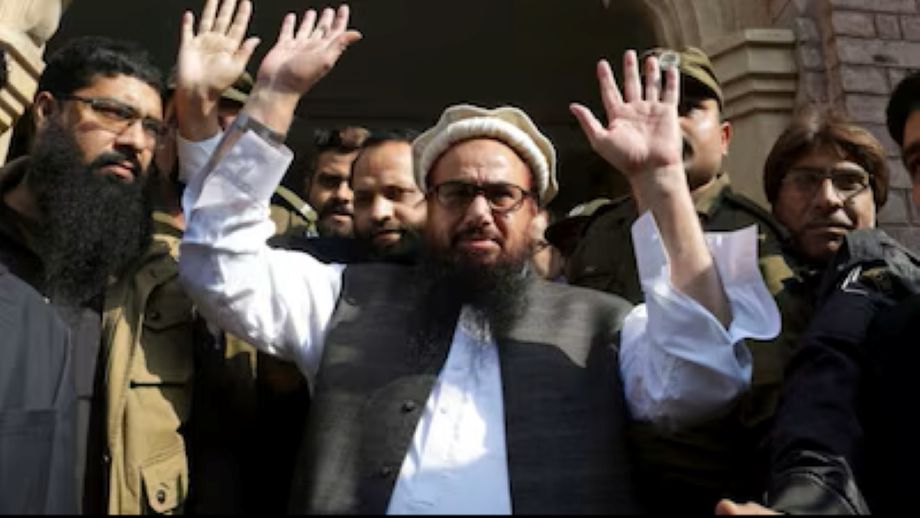
Pakistan has publicly rejected the National Investigation Agency’s (NIA) latest findings in the Pahalgam terror attack investigation and defended Lashkar-e-Taiba (LeT) founder Hafiz Saeed, escalating diplomatic tensions with India over cross-border terrorism allegations. The response comes after India’s anti-terror agency intensified legal action against the UN-designated terrorist in connection with the deadly attack.
According to Pakistan’s Foreign Office, the NIA’s charges and related legal proceedings were described as “baseless” and “politically motivated.” Islamabad claimed that India was attempting to shift attention away from broader regional issues by repeatedly naming Pakistan-based individuals in terror investigations. The Pakistani government also questioned the credibility of the probe and rejected any allegations linking its institutions to the attack.
The latest exchange follows the NIA’s supplementary chargesheet naming Hafiz Saeed as a key accused in the Pahalgam terror case. Indian investigators have alleged that the LeT founder played a central role in directing and supporting the conspiracy behind the attack, while also linking the banned outfit and its proxy networks to the operation. The agency has continued expanding its investigation into the cross-border terror infrastructure believed to have facilitated the assault.
In a significant legal development earlier this week, a special NIA court issued a non-bailable warrant against Hafiz Saeed as part of the ongoing proceedings. Indian authorities view the warrant as another step toward strengthening the legal case against one of the country’s most wanted terror suspects, although Saeed remains in Pakistan.
The diplomatic disagreement highlights the continuing differences between New Delhi and Islamabad over terrorism-related investigations. India has consistently maintained that Pakistan-based terrorist organisations continue to threaten regional security, while Pakistan has denied state involvement and has challenged India’s evidence in several high-profile cases.
Security analysts believe the latest war of words is likely to keep bilateral relations under strain, particularly as India pursues additional legal and diplomatic measures against individuals accused of orchestrating attacks on its territory. The developments also reinforce the broader debate over accountability for cross-border terrorism and international cooperation against UN-designated terrorist organisations.