


Pakistan’s military leadership has pushed back against Indian Defence Minister Rajnath Singh’s warning that any future terrorist attack originating from Pakistan would invite a stronger response from India. The latest exchange highlights continuing security tensions between the two nuclear-armed neighbours, with both sides reiterating their positions on national security, territorial integrity and regional stability.
Speaking at the passing-out parade of cadets from the 154th Long Course at the Pakistan Military Academy in Kakul on October 17, 2026, General Aamer Raza of Pakistan’s National Strategic Command said Islamabad remained firm in its approach to safeguarding the country’s borders. He stressed that conflict between nuclear-armed states would carry serious risks and maintained that Pakistan was prepared to defend its territory if required.
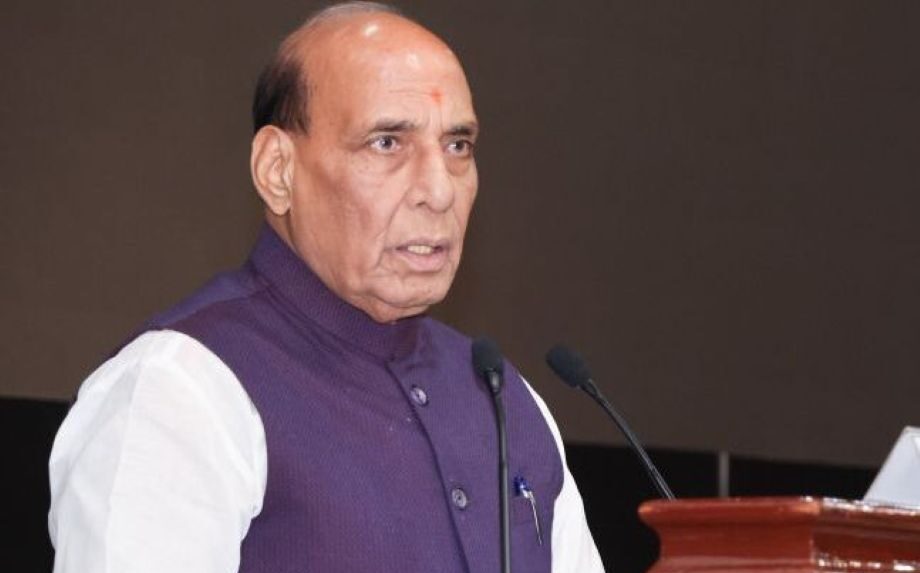
Raza’s remarks followed Singh’s address at the Times Network National Defence Conclave in New Delhi on October 15, where the Indian defence minister warned that any future terrorist activity originating from Pakistan would trigger a stronger Indian response. Singh emphasised that India’s preference for peace and dialogue should not be interpreted as a lack of resolve to protect its national interests.
The exchange also followed a statement by Pakistan’s Foreign Office on October 16. Spokesperson Sajjad Haider Khan criticised Singh’s remarks, describing them as provocative and warning that any aggression against Pakistan would be met with a forceful response. Islamabad reiterated its commitment to protecting its sovereignty and territorial integrity while calling for restraint in public statements.
India’s position reflects its continued emphasis on deterring cross-border terrorism and responding decisively to attacks that threaten national security. Singh referred to previous Indian counter-terrorism operations, including the 2016 surgical strikes, the 2019 Balakot airstrikes and Operation Sindoor in 2025, as examples of the country’s approach to addressing security threats.
The latest statements underscore the persistent challenges facing India-Pakistan relations, where disagreements over terrorism, military preparedness and security policy continue to influence bilateral ties. Both countries possess nuclear weapons, making crisis management and communication particularly important whenever tensions rise.
Although the latest exchange has featured strong rhetoric from both sides, the wider regional security environment reinforces the importance of avoiding miscalculations and maintaining stability. Future developments will depend on how New Delhi and Islamabad manage their competing security concerns while addressing the risks associated with cross-border terrorism and military escalation.