

India has indicated that direct air connectivity with Taiwan could be explored as reports emerge of Pakistan restricting Taiwanese airlines from using its airspace under its long-standing adherence to the “One China” policy. The development has drawn attention to the aviation and diplomatic considerations shaping travel routes across Asia, particularly for airlines operating services between East Asia and Europe.
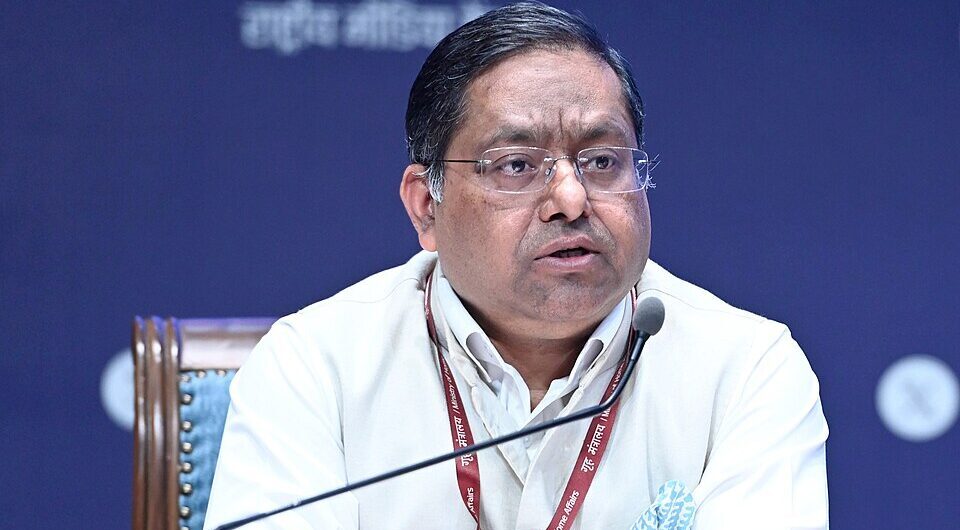
On October 28, 2026, Ministry of External Affairs spokesperson Randhir Jaiswal responded to questions about the possibility of direct flights between India and Taiwan. His remarks suggested that such connections could operate if the necessary arrangements were put in place, bringing renewed attention to the prospects for closer aviation links between New Delhi and Taipei.
The issue gained prominence after Pakistan’s Defence Minister Khawaja Asif reportedly confirmed that the country’s aviation policy permits mainland Chinese airlines to use its airspace while excluding Taiwanese carriers. The position reflects Islamabad’s support for Beijing’s “One China” policy, under which China considers Taiwan part of its territory.
Reports indicate that Taiwan’s two major airlines, China Airlines and EVA Air, stopped using Pakistani airspace from October 25. The reported restrictions have affected route planning for some services travelling between Asia and Europe, prompting airlines to consider alternative flight paths.
Changes to established air corridors can have significant operational consequences for commercial aviation. Longer routes may increase flight duration, fuel consumption and operating expenses, while also complicating scheduling and aircraft utilisation. The extent of the impact depends on the individual flight path, weather conditions, airspace permissions and the alternatives available to each airline.
The possibility of direct India–Taiwan services is also relevant in the context of earlier plans to restore nonstop connectivity between the two destinations. Taiwan-based EVA Air is scheduled to launch a five-times-weekly service between Delhi and Taipei from December 1, 2026, according to reports published earlier this month. The planned route is expected to improve travel options for business passengers, tourists and people travelling for professional or educational purposes.
The planned service is significant because India and Taiwan have developed commercial links in areas including electronics manufacturing, semiconductors, information technology and industrial supply chains. Improved air connectivity could make business travel more convenient and support further exchanges between companies and institutions in both markets.
For India, the latest developments also highlight the importance of maintaining practical international air links while navigating sensitive regional diplomatic relationships. Direct flights can strengthen tourism and commercial engagement, although their launch and continued operation depend on airline decisions, regulatory approvals, airport arrangements and broader operational requirements.
Pakistan’s reported restrictions have added a geopolitical dimension to an issue that is primarily concerned with airline operations and route planning. However, India’s remarks should not be interpreted as confirmation of a new agreement or an immediate expansion of services beyond routes already announced.
As the planned Delhi–Taipei connection approaches its scheduled launch, developments surrounding airspace access and regional aviation policies will remain relevant to airlines and travellers. The situation underlines how diplomatic decisions can influence commercial flight operations, while alternative routes and direct connections can provide additional options for international travel.