


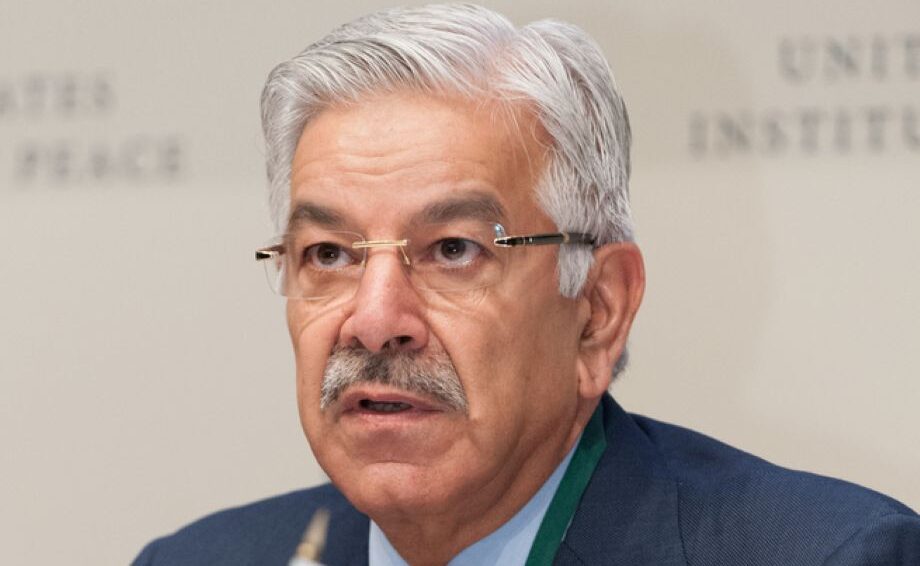
Pakistan Defence Minister Khawaja Asif has ignited fresh controversy after reportedly describing protesters in Pakistan-Occupied Kashmir (PoK) as “enemies like India,” while defending the government’s security crackdown in the region. The comments were made as unrest intensified in Rawalakot and other parts of PoK, where reports claim dozens of protesters have been killed during clashes with security forces.
According to reports, demonstrations have continued across several areas of Pakistan-Occupied Kashmir, with residents demanding greater civil rights and protesting what they describe as heavy-handed actions by the authorities. The latest violence has further escalated tensions in the region, with social media videos allegedly showing security personnel firing on crowds and transporting casualties.
During a public interaction, Asif reportedly stated that he considers the protesters to be “enemies like India,” a remark that has attracted widespread criticism. His statement has been viewed by many observers as an attempt to justify the government’s tough response against demonstrators, many of whom are associated with local rights groups.
Reports indicate that several of those killed or injured were linked to the Joint Awami Action Committee (JAAC), an organisation that has been vocal in highlighting alleged human rights concerns in the region. The group has accused Pakistani security forces of using excessive force against peaceful demonstrators and has shared videos and statements documenting the violence. These claims have not been independently verified.
The unrest in PoK has reportedly continued for weeks, with multiple protests taking place in different towns. Protesters have raised concerns over governance, economic issues, and alleged restrictions on civil liberties. The latest crackdown has intensified scrutiny of Islamabad’s handling of the situation and renewed debate over conditions in the territory.
Khawaja Asif has previously attracted international attention for a series of controversial remarks on regional security and India-Pakistan relations. His latest comments are expected to further fuel diplomatic and political debate as developments in Pakistan-Occupied Kashmir continue to unfold.