


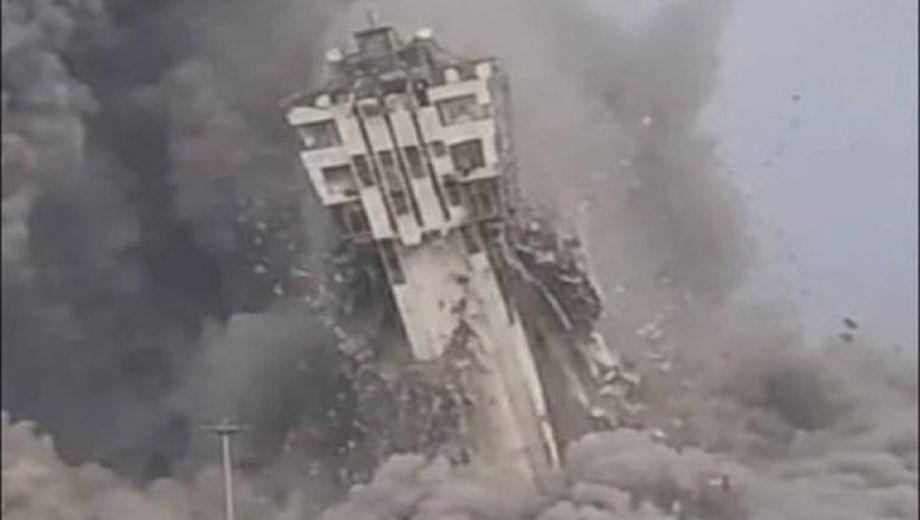
The Iranian Embassy in India has formally condemned a US military strike on Chabahar Port as a war crime, according to a statement from the diplomatic mission in New Delhi. The embassy’s rebuke underscores rising tensions in the Persian Gulf region and complicates India’s delicate balancing act between strategic partnerships with the United States and longstanding energy and trade ties with Iran.
Chabahar Port, located on Iran’s southeastern coast in Sistan and Balochestan Province, has been a focal point of India’s regional strategy for over a decade. India has invested substantially in the port’s development as part of the India-Iran-Afghanistan tripartite agreement, viewing it as a critical gateway to Central Asia and a strategic counterweight to Pakistan’s Gwadar Port.
The port sits at the mouth of the Gulf of Oman and provides India with an alternative shipping corridor that bypasses the Strait of Hormuz, through which roughly 20 percent of global petroleum passes. For India’s Navy and merchant fleet, Chabahar offers a deepwater facility with direct access to the Arabian Sea and reduces transit times to Afghanistan and Central Asian markets by several days compared to traditional routes through Pakistani territory.
US military operations targeting Iranian assets have intensified since Iran-backed militant groups stepped up attacks on commercial shipping in the Red Sea and Arabian Sea. The broader conflict between Israel and Hezbollah, coupled with Houthi drone and missile strikes on vessels in international waters, has destabilized the region and forced global navies to increase protective escort operations.
India’s position on the matter reflects its broader foreign policy approach of maintaining strategic autonomy while preserving relationships across competing blocs. New Delhi has not issued an official statement on the alleged US strike, though Iranian officials have sought to draw international condemnation through diplomatic channels.
The Indian Navy has conducted multiple anti-piracy and maritime security operations in the Arabian Sea and Gulf of Oman over the past decade, protecting Indian merchant vessels and ensuring freedom of navigation in one of the world’s most critical chokepoints. The service has also deepened operational coordination with friendly navies, including joint exercises and information-sharing protocols designed to enhance maritime domain awareness.
Chabahar’s strategic importance to India will likely intensify as New Delhi expands its Indo-Pacific footprint and seeks to reduce dependence on traditional Suez-based shipping routes. The port also serves India’s broader connectivity ambitions in Central Asia under frameworks such as the Shanghai Cooperation Organisation and regional economic corridors.