


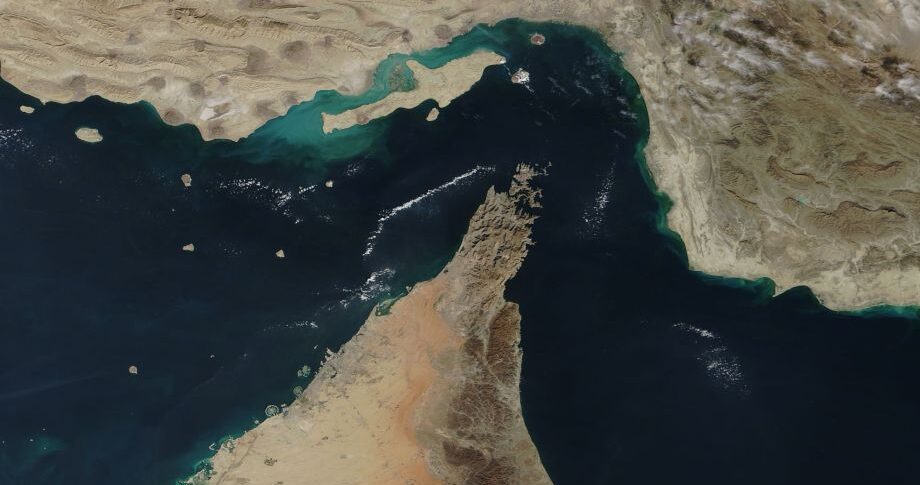
Iran has rejected any proposal for an alternative shipping corridor through the Strait of Hormuz, instead setting three preconditions for fresh negotiations with the United States as military strikes pause in the ongoing conflict.
According to reports, Tehran has stipulated that discussions must first address the Strait’s status to affirm Iranian full control, followed by the release of frozen Iranian assets, with the nuclear issue addressed only after these two conditions are met. The Islamic Revolutionary Guard Corps asserted on social media that Iran maintains absolute dominance over the waterway, stating “without Iran’s permission, not even a bird can cross.”
The Strait of Hormuz represents one of the world’s most strategically critical chokepoints for global energy security, with roughly one-third of all maritime-traded crude oil transiting through its waters. Control over the Strait has long been a cornerstone of Iran’s regional power projection and leverage in international negotiations. The waterway’s territorial waters are claimed by both Iran and Oman, making it a natural point of strategic contestation.
Iranian Foreign Minister Abbas Araghchi accused the United States of violating a memorandum of understanding concerning safe passage, alleging that Washington directed vessels away from Iran-designated transit corridors toward alternative routes. He cited Article 5 of the agreement, which grants Tehran authority over shipping arrangements during the transitional post-war period.
Parallel to these diplomatic positions, two-day talks between Oman and Iran on reopening the waterway have reportedly progressed, with Omani officials departing Tehran on Saturday. A temporary halt in US bombing operations created space for these discussions, though regional officials cautioned that significant negotiations remain ahead.
The IRGC reported stopping six vessels after issuing warnings and noted that an oil tanker attempting to deviate from Iran’s designated route struck a naval mine and exploded. The deputy speaker of the Iranian Parliament asserted the Strait would never return to pre-war conditions, underscoring Tehran’s intent to maintain altered operational status even after hostilities cease.
Iran has informed Pakistan of its willingness to resume talks in Geneva, Doha, or Islamabad, signalling diplomatic flexibility on venue while maintaining rigidity on substantive demands. The three-condition framework represents an escalation from earlier positions, bundling geopolitical control, financial relief, and nuclear constraints into a sequenced negotiation architecture that prioritises Iran’s regional dominance before addressing either sanctions relief or nuclear compliance pathways.