


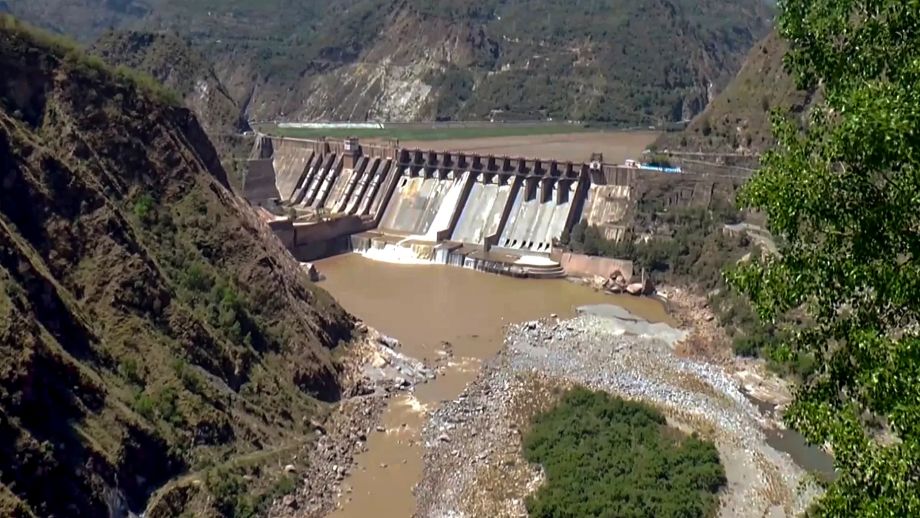
The dispute between India and Pakistan over the Indus river system has intensified, with Pakistan issuing a fresh warning that any threat to its water interests would draw a strong response. The latest escalation comes amid continuing tensions over India’s decision to keep the Indus Waters Treaty in abeyance.
Pakistan Prime Minister Shehbaz Sharif has described the country’s water rights as a fundamental national interest and warned that Islamabad’s desire for peace should not be mistaken for weakness. He has also stressed that Pakistan would respond firmly to any action it considers a threat to its sovereignty or water security.
The Indus Waters Treaty, signed in 1960 with World Bank involvement, established a framework for sharing the waters of the Indus river system between India and Pakistan. The agreement survived several wars and prolonged periods of diplomatic tension, but relations over the treaty have deteriorated sharply in recent years.
India has maintained that the treaty remains in abeyance and has linked its position to Pakistan’s continued support for cross-border terrorism. New Delhi has argued that Pakistan must credibly and irrevocably end such support before the situation surrounding the treaty can be reconsidered.
The latest Pakistani warnings come as Islamabad increasingly portrays India’s upstream water infrastructure and river projects as a strategic threat. Pakistan’s Deputy Prime Minister and Foreign Minister Ishaq Dar has previously accused India of pursuing what he called “hydro-hegemony,” alleging that multiple projects could significantly influence the Indus river system.
From India’s perspective, however, Pakistan’s increasingly forceful rhetoric is being viewed as an attempt to create political and diplomatic pressure over New Delhi’s water policy. The dispute is therefore no longer limited to technical questions concerning river management and treaty mechanisms but has become closely connected with the broader India-Pakistan security relationship.
The confrontation also carries wider strategic implications for South Asia. Any prolonged deterioration over water could add another layer to already strained bilateral ties, particularly as both countries remain sensitive to developments involving Kashmir, cross-border security and military preparedness.
For Pakistan, the issue is closely tied to agriculture, food security and water availability because the Indus river system plays a central role in the country’s economy. For India, the debate increasingly involves its sovereign rights to develop water infrastructure within the framework of its own security and development priorities.
With Pakistan continuing to call water a national red line and India maintaining its position on the treaty, the Indus Waters dispute is likely to remain an important component of the wider strategic contest between the two neighbours. The latest exchange of warnings underscores how water has evolved from a long-standing bilateral cooperation mechanism into a major source of geopolitical tension.