


Indian security agencies have dismantled an alleged Pakistan-backed terror network linked to Shahzad Bhatti in a major coordinated operation conducted across 14 states, disrupting a suspected plan to carry out subversive activities ahead of Independence Day.
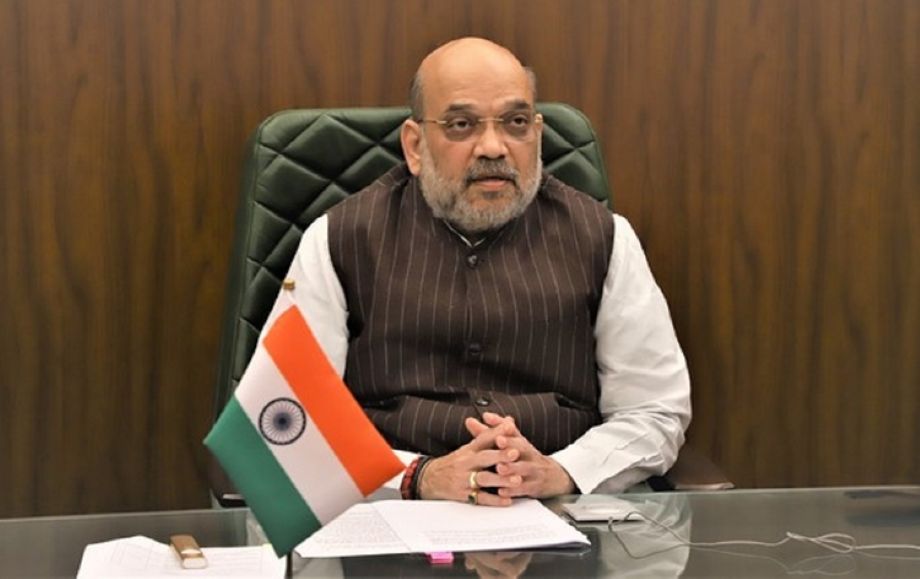
Union Home Minister Amit Shah said the security operation resulted in the arrest of 253 people and the registration of more than 80 FIRs. The coordinated action was carried out at multiple locations and was aimed at preventing the network from exploiting the heightened security challenges surrounding the August 15 celebrations.
The operation covered several states, with significant action reported in Uttar Pradesh, Haryana, Delhi and Punjab. Security agencies had been tracking suspected links between individuals across different locations as part of a wider investigation into the network and its alleged cross-border connections.
Investigators also recovered weapons and other material during the crackdown. The seizures reportedly included improvised explosive devices, pistols, live ammunition, grenades bearing Pakistan Ordnance Factory markings and CCTV equipment suspected of being used for surveillance and reconnaissance. The recovery of such material has added to concerns over the network’s alleged ability to support attacks and gather information on potential targets.
The Shahzad Bhatti network had reportedly attracted attention from Indian security agencies well before the latest operation. Earlier investigations by state and central agencies had examined allegations that Bhatti and his associates were attempting to expand their reach inside India through online contacts, recruitment efforts and financial incentives. Maharashtra ATS had previously questioned or investigated more than 100 individuals over suspected links with the Pakistan-based operator.
The latest crackdown highlights the increasing importance of intelligence-led and multi-agency operations in countering terror networks that operate across state boundaries. By combining intelligence inputs, surveillance and coordinated action by central and state security agencies, authorities were able to disrupt the suspected network before the Independence Day period.
The operation also underscores the evolving nature of India’s internal security challenges, where traditional terror networks are increasingly alleged to use social media, encrypted communications, financial channels and surveillance equipment to establish and maintain operational links.
The successful disruption of the network represents a significant counter-terrorism action and demonstrates the continuing focus of Indian security agencies on identifying sleeper networks, cutting logistical links and preventing externally supported terror operations from gaining ground inside the country.