

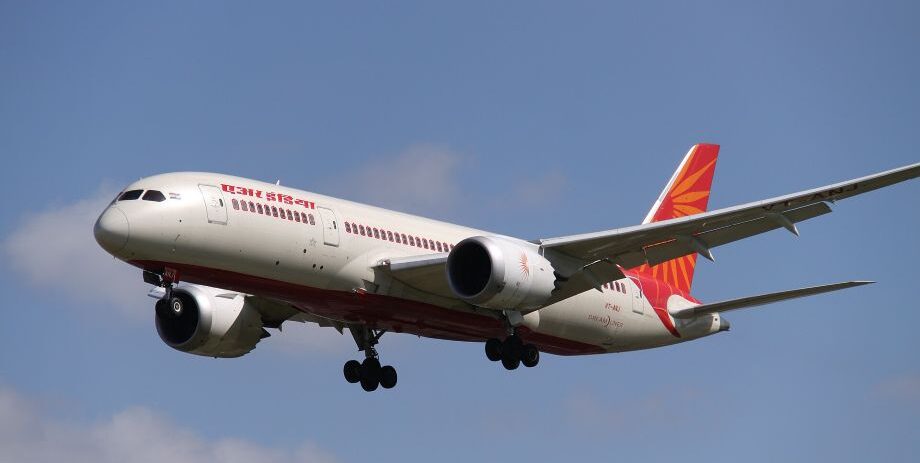
The government has stepped up scrutiny of Air India after the pilot of a Phuket–Delhi flight reportedly tested positive for marijuana in a confirmatory drug test following an incident in which the aircraft suddenly lost altitude.
The incident involved Air India flight AI2379, which was operating from Phuket to New Delhi. The Airbus A320neo reportedly experienced a sudden drop of around 300 feet while flying over Odisha on August 4. The aircraft, carrying passengers and crew members, continued its journey and landed safely in Delhi. Several people on board were reportedly injured during the incident.
Following the incident, the pilot underwent a mandatory drug screening. The initial test was reported as “not negative,” prompting the sample to be sent for confirmatory analysis. The subsequent test has reportedly returned positive for marijuana, bringing increased attention to the fitness and safety of flight crew.
The development has prompted the government to demand greater responsibility from Air India over its operational and safety procedures. The Ministry of Civil Aviation has also directed the Directorate General of Civil Aviation (DGCA) to examine existing drug-testing procedures and strengthen the system for detecting substance use among aviation personnel.
The government’s response comes amid growing scrutiny of safety standards at Air India following a series of aviation-related concerns. Authorities are particularly focused on ensuring that pilots and other safety-sensitive personnel meet all fitness and operational requirements before performing flight duties.
However, the positive drug test has not been established as the cause of the aircraft’s sudden altitude loss. The Aircraft Accident Investigation Bureau (AAIB) is examining the incident and is expected to assess flight data, cockpit procedures and other possible factors before reaching any conclusion.
The investigation is also receiving technical inputs from the aircraft manufacturer and international aviation authorities. Investigators will determine whether any operational, technical or human factors contributed to the altitude deviation.
The case has renewed the focus on drug and alcohol testing within India’s aviation sector. The DGCA already has procedures for testing pilots and other aviation personnel, including testing following certain safety-related incidents. The government’s latest direction could lead to tighter monitoring and more comprehensive testing requirements.
For Air India, the incident adds to the pressure to strengthen internal safety oversight and ensure strict compliance with aviation regulations. Further action is expected once the investigation and regulatory reviews are completed.