


India is stepping up efforts to build a technology-driven border security network as the Defence Research and Development Organisation (DRDO) works on a new generation of indigenous surveillance, artificial intelligence and counter-drone capabilities.
The initiative is aimed at bringing different defence technologies together so that threats can be detected, identified and responded to more effectively. Instead of relying on individual surveillance platforms, DRDO is working towards an interconnected system in which sensors, communication networks, artificial intelligence and response mechanisms can operate together.
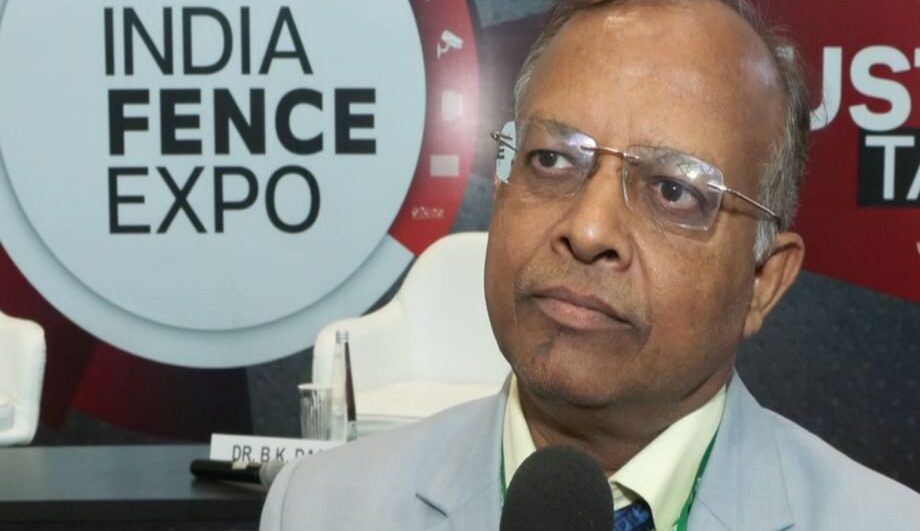
BK Das, Director General of Electronics & Communication Systems at DRDO, said the organisation is developing technologies covering several stages of the border security process. These include systems for detecting suspicious movement, tracking potential intruders, transmitting information and dealing with aerial or other emerging threats.
A major part of this effort involves improving India’s ability to monitor difficult border terrain. DRDO is working with technologies such as fibre-optic intrusion detection, high-resolution imaging, infrared tracking and advanced multispectral and hyperspectral sensing. Radar-based systems, radar imaging and synthetic aperture radar are also part of the broader technology effort.
The combination of these technologies could allow security agencies to maintain surveillance across different geographical conditions, where conventional monitoring methods may face limitations. The emphasis is on creating multiple layers of detection rather than depending on a single type of sensor.
Communication technology is another important element of the programme. Surveillance information has to reach the appropriate command and response elements quickly, making secure and reliable communications essential to the overall architecture. DRDO is therefore also pursuing next-generation communication technologies to support its expanding surveillance ecosystem.
Countering unmanned aerial systems has emerged as another key priority. DRDO has already developed a first-generation counter-drone system, which has been transferred to industry for production and deployed in critical locations. These systems combine radar and electro-optical technologies to detect and identify drones before determining the appropriate response.
The counter-drone approach includes both electronic and physical methods of neutralisation. Electronic countermeasures can disrupt a drone without physically destroying it, while directed-energy systems such as high-energy lasers provide an additional means of dealing with hostile unmanned aircraft. DRDO is continuing development of laser-based systems and future generations of counter-drone technology.
Artificial intelligence and machine learning are expected to play an increasingly important role in this ecosystem. DRDO is developing algorithms capable of assisting with threat recognition, radar-data analysis and identification of potential targets. Work on artificial intelligence engines is also intended to strengthen Identification Friend or Foe capabilities, helping systems distinguish between known or friendly objects and possible threats.
Alongside complete systems, DRDO is also concentrating on the indigenous development of critical components. Sensors, cameras, detection technologies, radar-related semiconductor components, algorithms and communication systems have been identified as areas where domestic capability is particularly important.
The move is part of India’s wider effort to reduce dependence on imported defence technologies and retain greater control over strategically important systems. Building key technologies within the country can provide greater freedom to modify and upgrade them according to operational requirements while reducing vulnerabilities associated with external supply chains.
The growing integration of AI, advanced sensing, secure communications, radar and directed-energy technology reflects the changing requirements of modern border security. As drones and other autonomous systems become increasingly common in military operations, the ability to detect and respond to such threats quickly is becoming an important component of defence preparedness.
DRDO’s ongoing work therefore represents more than the development of individual systems. The broader objective is to create an indigenous technology ecosystem in which surveillance, data processing, communication and counter-threat capabilities can work together. This approach could strengthen India’s ability to respond to evolving security challenges while supporting the country’s long-term push for greater self-reliance in defence technology.