


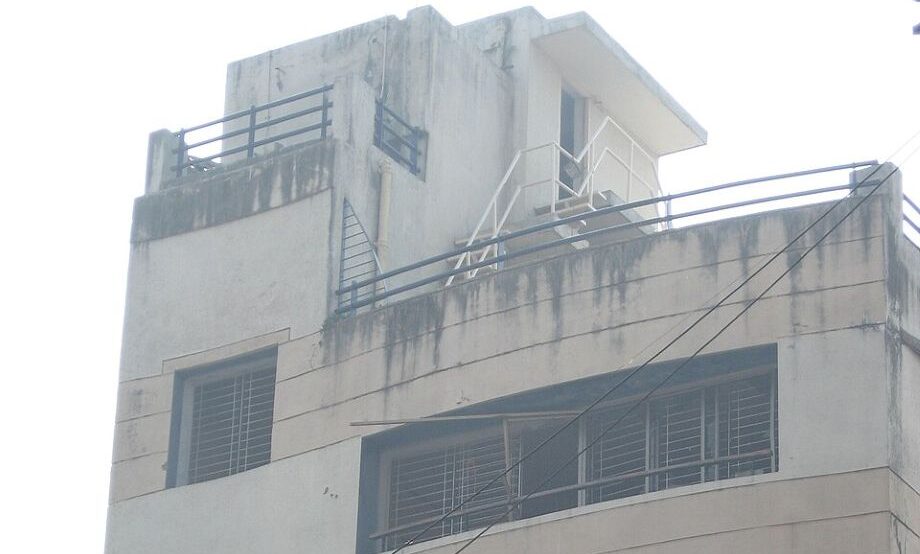
Indian security agencies have arrested a 20-year-old man for allegedly conducting reconnaissance of sensitive locations in Mumbai, including Nariman House, also known as the Chabad House, which was among the targets of the November 2008 Mumbai terror attacks. The arrest has raised fresh concerns about attempts by suspected foreign-based criminal networks to gather intelligence on sensitive establishments and communities through locally recruited individuals.
The accused, identified as Yash Singh, is a resident of Airoli in Navi Mumbai. According to officials, the Maharashtra Anti-Terrorism Squad (ATS) initially detained him after receiving intelligence about his alleged contacts with suspected anti-national elements through social media platforms. Investigators reportedly found that he had been assigned to conduct surveillance of locations in South Mumbai, particularly in the Colaba area.
During the investigation, officials alleged that Singh had been photographing and collecting precise location information about the Chabad House, businesses owned by Jewish individuals and places frequented by foreign nationals. His assignments allegedly included recording vehicle details, taking photographs and identifying the geographical locations of establishments considered sensitive from a security perspective. Investigators also suspect that he received money in exchange for collecting and sharing this information.
The investigation reportedly revealed that Singh was communicating with suspected handlers through Telegram and other social media platforms. His alleged connections also led investigators to a case registered at Thrissur East Police Station in Kerala under the Unlawful Activities (Prevention) Act (UAPA). Following intelligence inputs from the Maharashtra ATS, a team from Kerala Police travelled to Navi Mumbai and formally arrested him in connection with the case.
Officials are also examining the possible involvement of international criminal networks that allegedly use online platforms to recruit young people for reconnaissance and other activities. Investigators have reportedly identified links involving the Pakistan-based Shahzad Bhatti network, which is suspected of using social media channels such as Telegram, Instagram and WhatsApp to approach unemployed and financially vulnerable individuals. Such individuals are allegedly offered financial incentives to collect information about sensitive locations and pass it on to overseas contacts.
The arrest is particularly significant because Nariman House remains one of the most sensitive locations associated with the 26/11 Mumbai terror attacks. The building, located in Colaba, served as a Jewish community and religious centre and was occupied by terrorists during the November 2008 attacks. Two Lashkar-e-Taiba terrorists took control of the premises, held people hostage and killed several occupants during the three-day siege.
The 26/11 attacks involved coordinated strikes at multiple locations across Mumbai, including the Taj Mahal Palace Hotel, the Oberoi-Trident complex, Chhatrapati Shivaji Terminus and Nariman House. The attacks resulted in the deaths of 166 people and left hundreds injured, making them one of the deadliest terrorist incidents in India’s history.
The latest arrest comes shortly before the 18th anniversary of the Mumbai terror attacks on November 26. The timing has renewed attention on the security of locations previously targeted by terrorists, particularly establishments associated with foreign nationals and religious communities.
Security officials have urged young people and their families to exercise caution when approached by unknown individuals through social media. Offers of money in exchange for photographs, location details or information about sensitive establishments could potentially be attempts to recruit individuals for unlawful activities.
Investigators are continuing to examine the alleged network, its overseas connections and the possibility of other individuals being involved. The case also highlights the growing security challenge posed by online recruitment and the use of locally based contacts to collect information that could potentially support hostile activities.