


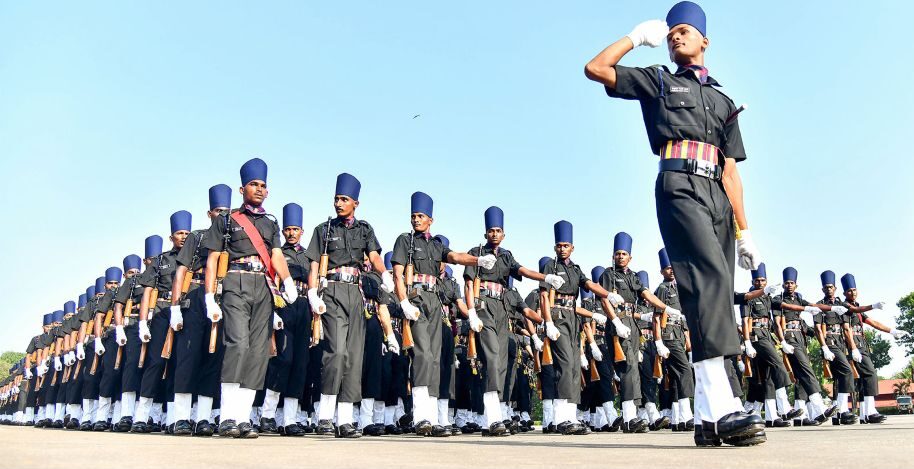
India’s revised Agnipath recruitment scheme has renewed the debate over balancing soldiers’ career prospects with the financial requirements of military modernisation. While the proposed changes aim to provide Agniveers with longer service opportunities and improved financial benefits, concerns remain about their potential impact on defence expenditure.
The revised framework seeks to address concerns surrounding the original four-year service arrangement. Under the proposed changes, Agniveers who are not selected for regular service after completing their initial four-year tenure will have an opportunity for an additional two years of engagement, subject to the applicable conditions. The existing provision allowing up to 25 per cent of each batch to enter regular service will continue.
The changes are expected to help the armed forces retain trained personnel for a longer period. Additional service could improve operational experience, strengthen continuity and reduce the requirement to repeatedly recruit and train new personnel. For Agniveers, the extended engagement also offers better financial prospects and additional time to pursue a permanent military career.
However, the financial implications are attracting attention. The original Agnipath model was designed partly to manage long-term expenditure on military salaries and pensions. Longer engagement periods, increased remuneration and potential regular enrolment could increase future personnel costs.
An analysis published by Bharat Shakti highlights the challenge of balancing improved soldier welfare with military modernisation. It points to the substantial share of India’s defence budget consumed by salaries and pensions, leaving comparatively fewer resources for capital acquisitions and advanced military technologies.
This issue is particularly important as India continues to strengthen its capabilities across air, land, maritime and space domains. Modern fighter aircraft, submarines, missiles, surveillance systems and unmanned platforms require sustained investment. Higher recurring expenditure could make it more difficult to allocate sufficient funds towards these priorities.
The changing nature of warfare also makes military restructuring increasingly important. Artificial intelligence, drones, precision weapons and network-centric operations are creating demand for technically skilled personnel and technologically advanced platforms.
Ultimately, Agnipath 2.0 presents an opportunity to improve the recruitment framework while addressing concerns about military manpower. However, its long-term success will depend on maintaining a balance between soldiers’ welfare, operational requirements and financial sustainability. India will need to ensure that improving career opportunities does not come at the expense of essential defence modernisation.