


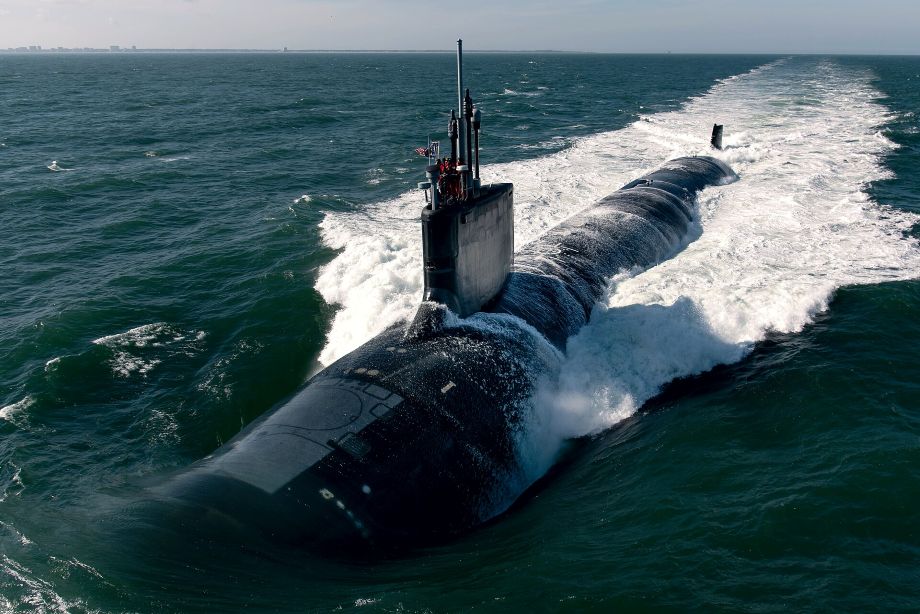
The United States is planning to transform its next-generation SSN(X) nuclear-powered attack submarines into advanced underwater drone motherships, reflecting the changing nature of modern naval warfare. The proposed submarines are expected to carry and deploy unmanned underwater vehicles (UUVs) to conduct surveillance, gather intelligence, detect enemy submarines and monitor critical underwater infrastructure. These autonomous systems could extend the operational reach of submarines while reducing risks to their crews.
The SSN(X) programme is intended to replace the US Navy’s existing Seawolf and Virginia-class attack submarine capabilities over the longer term. The future submarine is expected to feature improved stealth, speed, weapons capacity and advanced sensor systems. Its ability to operate alongside underwater drones could provide the US Navy with greater flexibility during intelligence, surveillance and anti-submarine warfare missions.
Meanwhile, India is strengthening its own underwater warfare capabilities to address growing maritime security challenges in the Indian Ocean Region. The Indian Navy is focusing on advanced sonar systems, underwater sensors, maritime patrol aircraft and autonomous technologies to improve its ability to detect and track hostile submarines.
India is also expanding defence technology cooperation with the United States in areas such as advanced sonobuoys and anti-submarine warfare equipment. These technologies can help naval forces identify underwater threats and improve maritime surveillance. Platforms such as the P-8I Poseidon maritime patrol aircraft and MH-60R naval helicopters also play an important role in India’s submarine detection and tracking operations.
Although India has not announced a submarine programme equivalent to the US SSN(X) drone-mothership concept, its investments in underwater surveillance, autonomous systems and indigenous defence manufacturing demonstrate its growing focus on next-generation naval capabilities.
The developments highlight how underwater drones and advanced sensors are becoming increasingly important in naval operations. As the United States moves towards submarine-based drone deployment and India strengthens its underwater detection capabilities, autonomous technology is expected to play a greater role in protecting maritime interests and maintaining security across strategically important waters.