


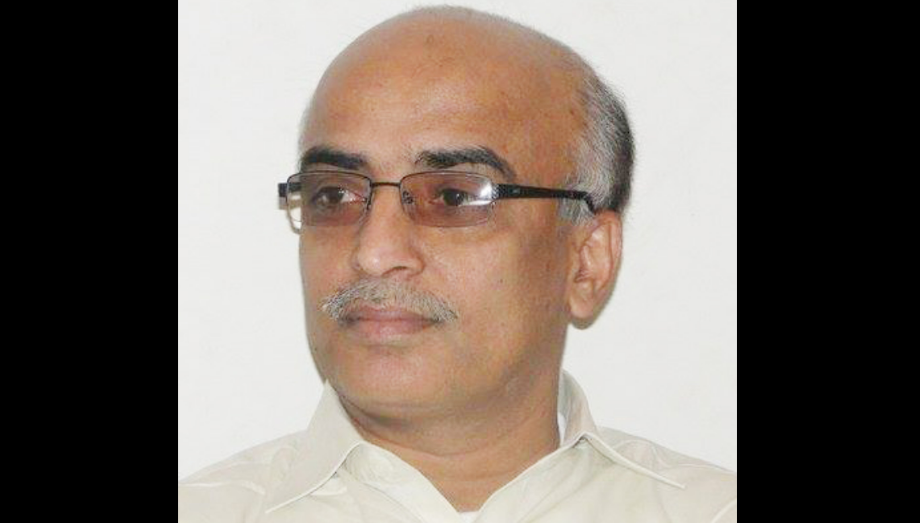
Shafi Burfat, chairman of the Jeay Sindh Muttahida Mahaz (JSMM), has raised concerns over the Pakistan Army’s influence in the country’s political and economic affairs, alleging that smaller regions are bearing the consequences of resource exploitation and restrictions on political rights. He has also warned that the financial impact of the existing system could eventually affect the population of Punjab.
In a statement posted on social media platform X, Burfat alleged that Pakistan’s military establishment had expanded its control over the country’s political and economic institutions at the expense of smaller nationalities. He specifically referred to Sindh, Balochistan and Khyber Pakhtunkhwa, claiming that their natural resources and political interests had been subordinated to the priorities of the powerful military structure.
Burfat alleged that resources such as land, water and mineral wealth were being used to strengthen the existing system of military influence. He also questioned the extent of provincial autonomy and argued that restrictions on political freedoms had prevented smaller communities from exercising their rights effectively.
The JSMM chairman further challenged the perception of the Pakistan Army as a protector of Punjab’s interests. He argued that continued support for the military establishment could carry economic consequences for ordinary Punjabi citizens, despite the perception that its influence primarily benefits national security.
According to Burfat, the financial burden associated with maintaining the military establishment could contribute to wider economic difficulties, including inflation, unemployment, poverty and declining economic opportunities. He warned that the consequences of policies affecting smaller regions could eventually spread across the country, including Punjab.
He also criticised the use of national security arguments and military symbolism to defend the existing power structure. Burfat maintained that concerns over resource distribution, political representation and institutional accountability required greater attention.
His statement has brought renewed attention to debates surrounding provincial autonomy, control over natural resources and the role of the military in Pakistan’s governance. The allegations reflect Burfat’s political position and his criticism of the country’s existing power structure.