

The United Kashmir People’s National Party (UKPNP) has appealed to international organisations to intervene following allegations of deadly force against protesters in Rawalakot, Pakistan-occupied Jammu and Kashmir (PoJK). The party has accused Pakistani security forces of opening fire on demonstrators and carrying out alleged drone attacks, raising concerns over civilian safety and human rights in the region.
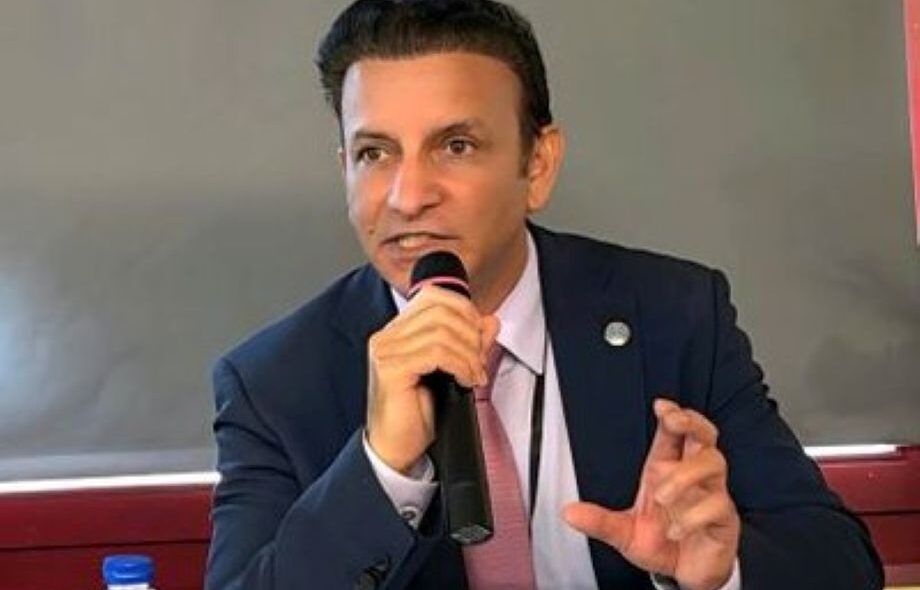
In a statement released in Geneva, UKPNP spokesperson Sardar Nasir Aziz Khan alleged that security personnel conducted an operation during the early hours of November 5, targeting protest gatherings at locations including Matialmera Bus Terminal and Umar Farooq Chowk. According to the organisation, the operation involved heavy machine guns, armoured vehicles and drones.
The party reported that three individuals, identified as Atif Jardees, 35, Ehtisham Younis, 30, and Adil Rashid, 32, lost their lives, while at least 18 others suffered serious injuries. It also alleged that a drone strike near Matialmera Bus Terminal set fire to a residential property owned by Shakeel Khan. UKPNP expressed concern over reports that four children may have died in the incident. These claims and casualty figures have not been independently confirmed.
UKPNP criticised the alleged security response, stating that demands for public services, democratic rights, property protection and human dignity should be addressed through dialogue. It maintained that peaceful demonstrations should not be met with excessive force or actions that put civilian lives at risk.
The organisation has called on the United Nations, European Union and international human rights bodies to examine the situation. It is seeking independent fact-finding investigations, access for international journalists and permission for human rights organisations to visit affected locations. It has also demanded accountability for the reported deaths, injuries and damage to residential property.
The incident has drawn additional attention because of existing concerns surrounding the Joint Awami Action Committee (JAAC), which has been associated with public and political demands in the region. Six UN Special Rapporteurs have previously questioned Pakistan’s designation of the committee as a terrorist organisation, raising concerns about its potential impact on fundamental freedoms.
The UN experts have also highlighted allegations of excessive force against demonstrators, unlawful killings, arbitrary detention and restrictions on peaceful assembly and communication. They have urged Pakistan to ensure that its counter-terrorism measures comply with international human rights obligations.
The latest allegations from Rawalakot have further intensified calls for transparency and civilian protection in Pakistan-occupied Jammu and Kashmir. Independent verification of the reported events remains necessary to establish the full circumstances and determine responsibility.