


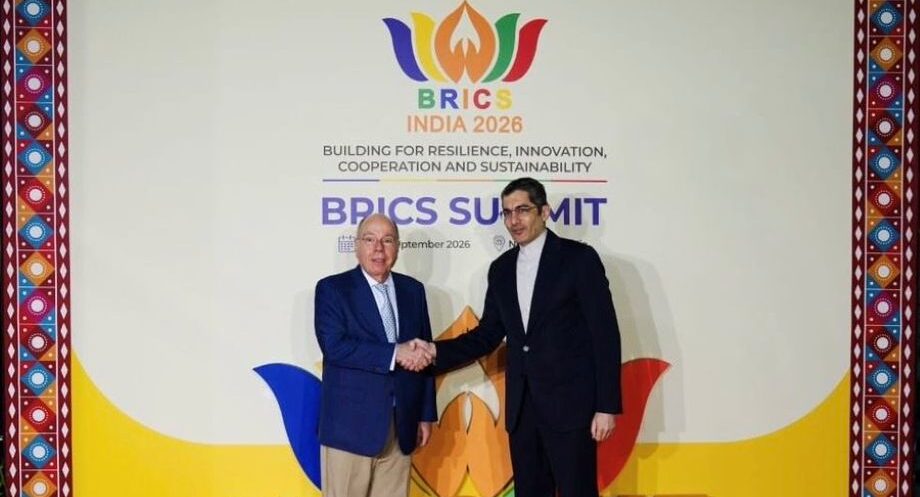
Brazilian Foreign Minister Mauro Vieira has arrived in New Delhi to participate in the 18th BRICS Summit, scheduled to take place at Bharat Mandapam on September 12-13 under India’s chairship. Vieira is representing Brazilian President Luiz Inacio Lula da Silva, who has remained in Brazil due to his ongoing election campaign.
The Ministry of External Affairs welcomed Vieira’s arrival and highlighted the longstanding friendship between India and Brazil. MEA spokesperson Randhir Jaiswal said the two countries share a commitment to strengthening cooperation and advancing the interests of the Global South.
Vieira’s arrival comes as senior representatives from several BRICS member countries gather in New Delhi for the two-day summit. South Africa’s Minister of International Relations and Cooperation Ronald Lamola has also arrived, while senior representatives from Ethiopia and Burundi are participating in the summit-related engagements.
India is hosting the BRICS Summit under the theme “Building for Resilience, Innovation, Cooperation and Sustainability.” The theme reflects New Delhi’s focus on strengthening institutional cooperation, encouraging innovation and supporting sustainable development across the expanded BRICS grouping.
The 2026 summit is significant for India as it marks the country’s fourth time leading BRICS, following its earlier presidencies in 2012, 2016 and 2021. The previous BRICS Summit was held in Rio de Janeiro in July 2025 under Brazil’s chairship, with discussions covering Global South cooperation, trade, climate action, artificial intelligence governance, global health and financial cooperation.
Vieira’s presence in New Delhi also underlines the importance of India-Brazil engagement within BRICS. Both countries have been active participants in efforts to strengthen cooperation among developing economies and promote a greater role for the Global South in international affairs.
As leaders and senior officials arrive in the Indian capital, the 18th BRICS Summit is expected to focus on strengthening cooperation among member states and shaping the grouping’s priorities on economic, technological, diplomatic and global governance issues.