


Iran has called for a greater diplomatic role for India in efforts to ease tensions between Tehran and Washington, highlighting New Delhi’s longstanding emphasis on dialogue and peaceful resolution of international disputes.
Iran’s Consul General in Mumbai, Saeid Reza Mosayeb Motlagh, said India could contribute to creating conditions conducive to a possible agreement between Iran and the United States. His remarks come as the confrontation continues to create wider security and economic concerns across West Asia, particularly around the strategically important Strait of Hormuz.
According to the Iranian diplomat, India’s position as a major global power and its preference for diplomatic engagement could give New Delhi a constructive role in efforts to reduce tensions. He suggested that Indian involvement could complement the mediation efforts already being undertaken by other countries.
The proposal comes against the backdrop of continued differences between Tehran and Washington. Iran has maintained that it is open to negotiations, but insists that any diplomatic process must take into account conditions and commitments it considers necessary. The United States, meanwhile, has continued to focus on preventing Iran from acquiring nuclear weapons, leaving significant differences between the two sides unresolved.
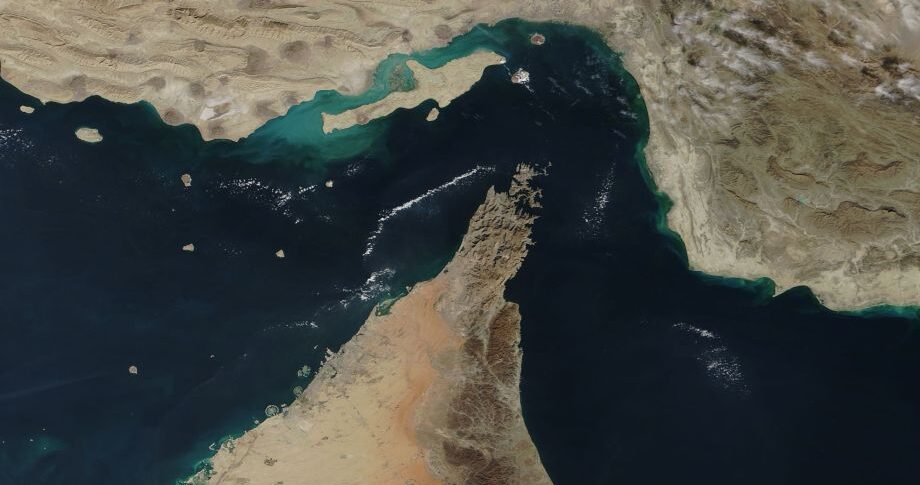
The Strait of Hormuz remains one of the most sensitive points in the confrontation. The waterway is a critical route for international energy shipments, making any disruption a potential concern for global energy markets and maritime trade. Iran has linked the reopening of the strait to the fulfilment of several demands, including measures related to blockades, sanctions, frozen assets and military operations.
India has previously called for restraint, de-escalation and a return to dialogue amid the wider West Asia conflict. New Delhi has also stressed the importance of protecting civilians and maintaining uninterrupted energy supplies and commercial flows as regional tensions have intensified.
The potential for India to contribute diplomatically could become more significant with the country’s wider engagement with both the region and major global powers. India’s established relationships with Tehran and Washington give New Delhi channels of communication that could potentially support broader diplomatic efforts.
For India, however, any mediation role would require careful balancing of its strategic, economic and security interests. The situation around the Strait of Hormuz is particularly important for New Delhi because disruptions to maritime trade and energy supplies could have wider consequences for the Indian economy.
Iran’s appeal therefore places renewed attention on India’s growing diplomatic profile. Whether New Delhi takes a formal mediation role remains uncertain, but Tehran’s comments underline its expectation that India could contribute to efforts aimed at reducing tensions and encouraging a negotiated solution.