

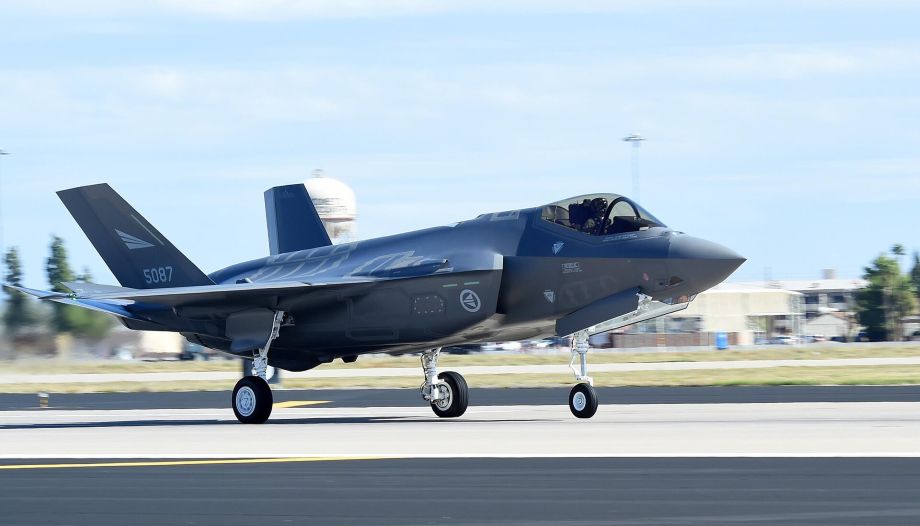
India has reportedly decided not to move forward with the United States’ offer of the F-35 Lightning II stealth fighter aircraft, choosing instead to focus on its indigenous fighter aircraft programmes and long-term defence self-reliance goals. The decision highlights New Delhi’s approach of prioritising domestic aerospace development, operational flexibility, and greater control over critical military technologies.
The F-35 Lightning II is one of the world’s most advanced fifth-generation fighter aircraft, equipped with stealth features, advanced sensors, electronic warfare systems, and network-centric combat capabilities. The aircraft is operated by several US allies and has been positioned as a key platform for modern air combat operations. However, India has remained cautious about acquiring foreign platforms that may involve limitations related to technology access, upgrades, and independent integration of weapons systems.
India’s decision comes amid a stronger push towards the development of indigenous combat aircraft, particularly the Advanced Medium Combat Aircraft (AMCA) programme. Developed under the leadership of the Aeronautical Development Agency (ADA) with support from Hindustan Aeronautics Limited (HAL), the AMCA is expected to become India’s first indigenous fifth-generation fighter aircraft.
The move reflects India’s broader defence modernisation strategy, which aims to reduce dependence on imported military platforms and expand domestic manufacturing capabilities under the Atmanirbhar Bharat initiative. By investing in indigenous fighter technology, India seeks to build expertise in areas such as stealth design, advanced avionics, electronic warfare, and next-generation propulsion systems.
While the F-35 offer represented an opportunity to acquire a proven fifth-generation combat aircraft, India’s defence planning has increasingly focused on developing its own capabilities. The country has already invested heavily in programmes such as the Light Combat Aircraft (LCA) Tejas, LCA Mk1A, and future AMCA platform to strengthen the Indian Air Force’s combat fleet.
The decision does not indicate a decline in India-US defence cooperation. Both countries continue to expand collaboration in areas including military exercises, maritime security, defence technology, and aerospace partnerships. However, India’s approach remains focused on ensuring strategic autonomy and avoiding excessive dependence on foreign suppliers for critical defence assets.
For the Indian Air Force, the priority remains maintaining adequate fighter strength while preparing for future warfare requirements. Along with upgraded existing aircraft and indigenous platforms, the development of AMCA is expected to play a crucial role in shaping India’s future air combat capabilities.
India’s rejection of the F-35 proposal marks another step in its effort to establish itself as a major aerospace power. By focusing on indigenous fighter development, the country aims to strengthen its defence industry, enhance technological independence, and build advanced combat capabilities tailored to its own strategic requirements.