

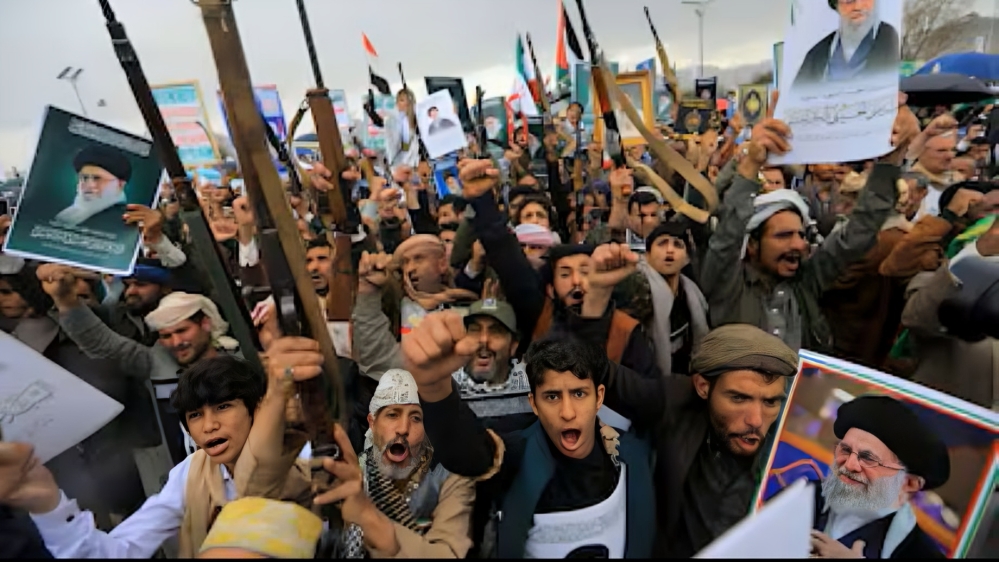
Yemen’s Houthi rebels claimed responsibility on Wednesday for strikes against two Saudi oil tankers in the Red Sea, marking their first confirmed maritime attack since announcing a naval blockade of Saudi-linked shipping earlier this week.
The Iran-aligned group said the operation targeted the tankers Encelia and Layla near the Bab al-Mandeb Strait using ballistic missiles, cruise missiles, and drones. Both vessels caught fire following the strikes, according to the Houthi statement posted on Telegram.
The Houthis justified the attack as enforcement of their newly declared embargo on ships travelling to and from Saudi ports, accusing the vessels of violating the blockade. The group claimed approximately 10 ships had already turned back due to the blockade and vowed to continue what it termed a policy of “siege with siege.”
The Red Sea remains one of the world’s most critical maritime chokepoints, with roughly 12 percent of global trade passing through the Bab al-Mandeb Strait. The Houthi blockade creates immediate disruption to international commerce and has already forced shipping operators to consider the longer southern route around South Africa to avoid potential strikes.
The escalation follows a recent exchange of fire between Saudi Arabia and the Houthis, raising concerns about the stability of the fragile ceasefire. The latest tensions were triggered after an Iranian aircraft attempted to land at Sanaa International Airport. The Houthis accused Saudi Arabia of conducting an airstrike to prevent the plane from landing, an allegation Riyadh has not directly addressed.
The Houthi maritime capability represents a significant operational development. The group has demonstrated the ability to conduct coordinated multi-platform attacks using ballistic and cruise missiles alongside unmanned aerial systems, a combination that complicates air defence responses and extends the threat envelope far from coastal launch points.
Saudi Arabia has condemned the maritime blockade and reaffirmed its support for Yemen’s Aden-based government. The Saudi government has invested heavily in air defence systems, including Patriot batteries and THAAD units, yet the Houthis continue to penetrate these defences using low-cost drone swarms and missile salvos.
The blockade also intensifies pressure on Middle East shipping routes already destabilized by ongoing tensions at the Strait of Hormuz. Energy markets remain sensitive to disruptions in crude oil transit from the Persian Gulf, and direct attacks on tankers elevate insurance premiums and delay cargo schedules.
The Houthis have been in conflict with the Saudi-backed Yemeni government for years. The war has claimed hundreds of thousands of lives and created one of the world’s worst humanitarian crises, although periods of relative stability have been achieved under ceasefire arrangements.