


India has firmly stated that the Indus Waters Treaty cannot be revived in its current form, emphasizing that any future framework for water-sharing with Pakistan will depend on the complete cessation of cross-border terrorism. The latest remarks underline New Delhi’s position that national security concerns are now inseparable from bilateral agreements.
According to government sources, India believes the existing treaty framework no longer addresses the realities of the present geopolitical and security environment. Officials argue that regional developments, evolving water requirements, and repeated security challenges have made it necessary to reassess the agreement before any future cooperation can move forward.
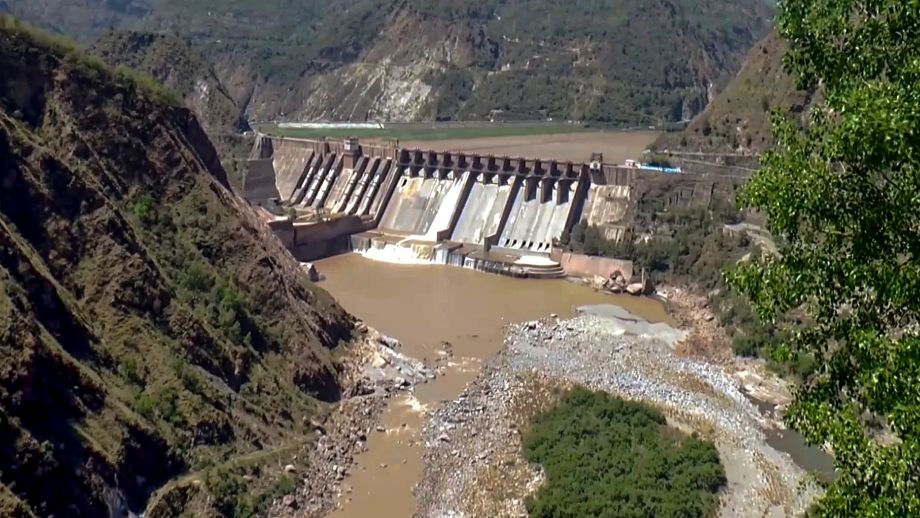
India has maintained that it remains committed to protecting its national interests while ensuring responsible management of its water resources. The government has also accelerated the planning and implementation of infrastructure and hydroelectric projects in the Indus river basin to strengthen water utilization and improve energy generation.
The latest position comes amid continued diplomatic tensions between India and Pakistan. New Delhi has consistently maintained that meaningful bilateral engagement cannot progress unless Pakistan takes credible and sustained action to eliminate terrorism originating from its territory. Officials say this principle now extends to discussions concerning the future of the Indus Waters Treaty as well.
While Pakistan has urged the restoration of the agreement, India has indicated that simply returning to the previous arrangement is no longer an option. Instead, any future understanding would require a fresh approach that reflects current strategic, environmental, and developmental realities.
Analysts believe the government’s stance signals a broader shift in India’s foreign policy, where issues related to security, resource management, and diplomacy are increasingly interconnected. The development is expected to remain a key point of discussion in regional diplomacy as both countries navigate their complex bilateral relationship.