


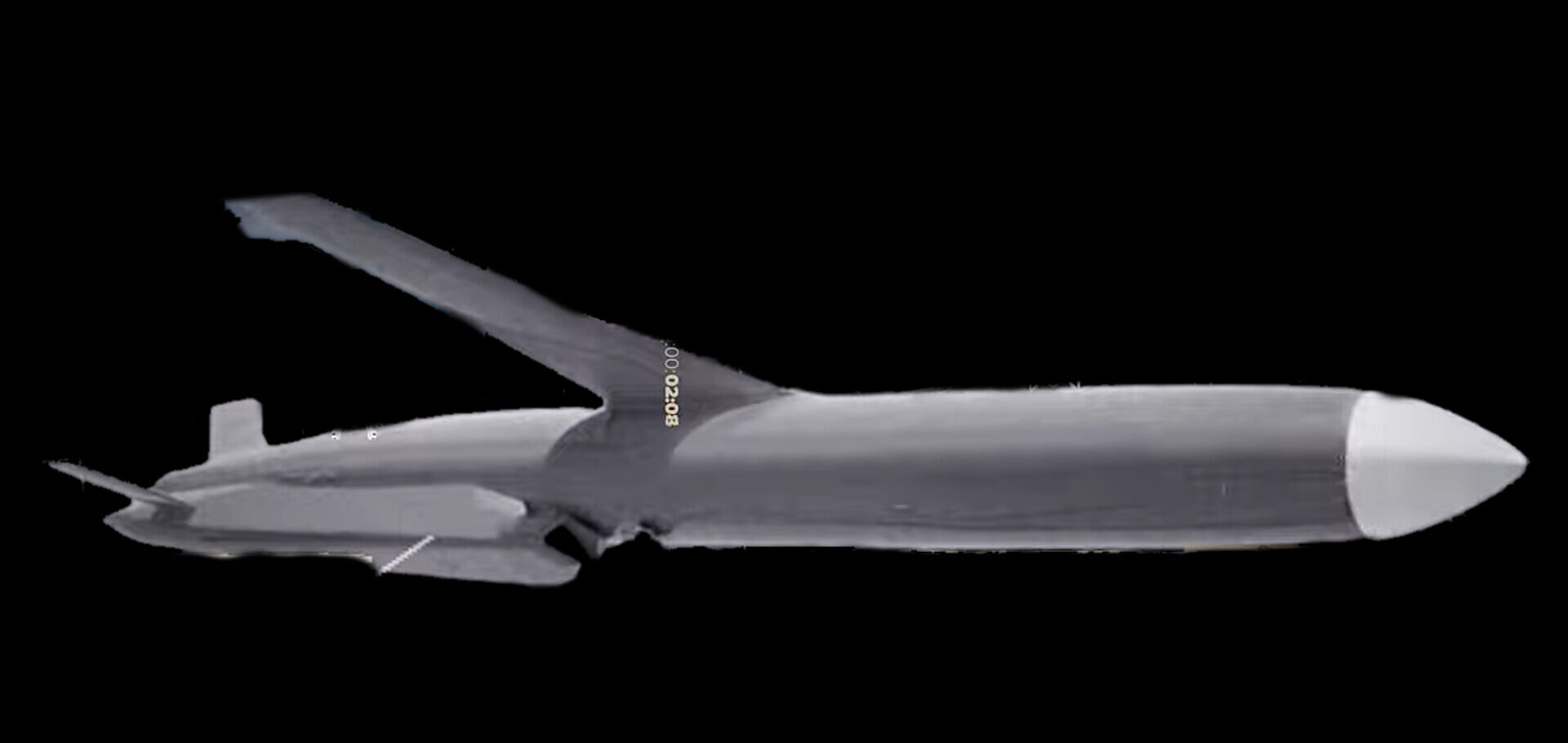
Delhi-area startup Veda Aeronautics is leveraging its Indian Air Force contract for the Sureshastra Mk1 loitering munition to expand aggressively into larger defence procurement pipelines across both air and ground forces, according to company statements at Milipol India 2025 and subsequent announcements through July 2026.
The Sureshastra Mk1 catapult-launched variant, contracted by the IAF for 200 units under a US$31 million deal signed in August 2023, is entering operational service. Deliveries commenced in May 2025 following user trials in the Thar desert. The system is a 3.5-metre, 90-kilogram jet-powered fixed-wing aircraft with V-tail configuration, capable of striking targets beyond 150 kilometres using satellite navigation and AI-enabled swarm coordination without requiring traditional airbase infrastructure.
Veda managing director Dipesh Gupta has positioned the company as a rapid innovator, stating at Milipol India 2025 that the firm does not follow industry convention but stays ahead of it. The company markets its supply chain as zero-Chinese origin with 60 percent indigenous manufacturing, aligning with India’s broader Make in India defence agenda.
Beyond the existing IAF contract, Veda is now developing an air-dropped canisterised swarm variant announced in April 2026. This derivative extends the platform’s range to beyond 500 kilometres when released in clusters of eight or more drones from transport aircraft including the C-17 Globemaster III, C-130J Super Hercules, or Airbus C-295. This extended-range variant remains in development and addresses a separate IAF requirement issued in October 2025 for 800 medium-range swarm unmanned munition systems with range exceeding 350 kilometres.
The Indian Army is now moving to procure a Sureshastra-derived system for ground operations. The Defence Acquisition Council, chaired by the Defence Minister, approved a US$5.4 billion capital acquisition package on 3 July 2026 that includes a jet-based kamikaze drone system distinct from the IAF’s existing requirement. Veda confirmed on 5 July 2026 it would bid for the Army programme, leveraging its proven delivery record to the IAF as credential evidence for a jet-powered kamikaze design.
The rationale for both variants centres on operational doctrine. The Ministry of Defence’s own solicitation language emphasises that swarm munition systems are effective because they saturate enemy air defence systems and confuse enemy radars, the same tactical principle that has guided Veda’s platform development since the original Sureshastra Mk1 contract.
India’s loitering munitions sector extends beyond Veda. The Indian Army has fielded the Nagastra-1, built by Economic Explosives Limited and Z-Motion Autonomous Systems, in successive batches through 2024 and 2025, indicating broader institutional acceptance of jet-powered autonomous strike systems across the services.