


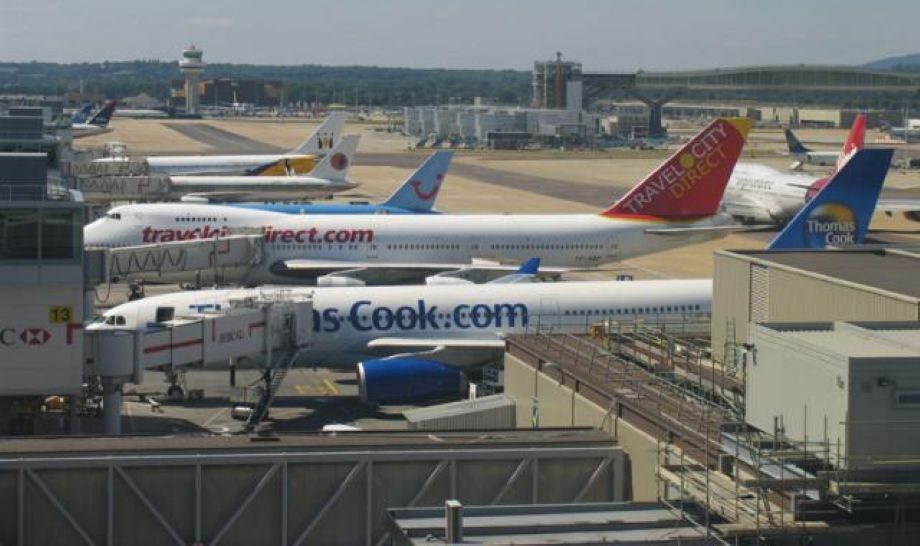
A major technical failure in the United Kingdom’s air traffic control system caused widespread disruption across the country on September 8, with around 1,300 flights to and from UK airports cancelled and hundreds more delayed. The disruption was linked to a technical problem affecting the flight data processing system operated by National Air Traffic Services (NATS), which manages air traffic control across the UK.
The problem affected operations at several major airports, including London Heathrow, Gatwick, Stansted, London City, Manchester, Birmingham, Edinburgh and Bristol. Airlines were forced to cancel, delay or divert flights as the system failure disrupted the tightly coordinated movement of aircraft across British airspace. The impact also spread to international routes, with flights between the UK and other European destinations affected.
According to Flightradar24 data cited by Reuters, approximately 1,300 flights were cancelled on Tuesday, while another 177 flights had already been cancelled for Wednesday, most of them at Heathrow. The figures underline the scale of the disruption and the difficulty airlines faced in restoring normal schedules after aircraft and flight crews were left out of position.
NATS later confirmed that the technical problem had been resolved and that its system was operating normally. However, the air traffic control provider warned that the recovery would take time because the disruption had created a significant backlog across the wider aviation network. NATS also said that safety had not been compromised during the incident.
Heathrow, Britain’s busiest airport, was among the facilities heavily affected. The airport suspended arrivals for the remainder of Tuesday, while departures resumed amid continuing disruption. British Airways said it had been forced to cancel or divert more than 100 flights, while Ryanair reported that around 150,000 of its passengers had been affected by delays of up to eight hours and said it had cancelled more than 200 flights.
The incident has also triggered renewed criticism of NATS and concerns over the resilience of Britain’s aviation infrastructure. Ryanair and Wizz Air called for major reforms, while Ryanair’s chief operating officer called for NATS Chief Executive Martin Rolfe to resign. Britain’s Civil Aviation Authority has requested a full report from NATS and will consider whether additional measures are necessary to strengthen the reliability of the country’s air traffic control system.
The latest failure is particularly significant because it follows previous disruptions to the UK’s air traffic control network, including a major flight-plan processing failure in 2023. The repeated incidents have raised questions about contingency arrangements and the ability of critical aviation infrastructure to withstand technical failures.
For passengers, the disruption is expected to have continuing effects as airlines reposition aircraft and crews and work through the backlog. Travellers have been advised to check their flight status directly with their airline before travelling to the airport.
The incident demonstrates how a failure in a single critical air traffic control system can quickly cascade through a highly interconnected aviation network, affecting thousands of flights, major airports and passengers across the UK and beyond.