

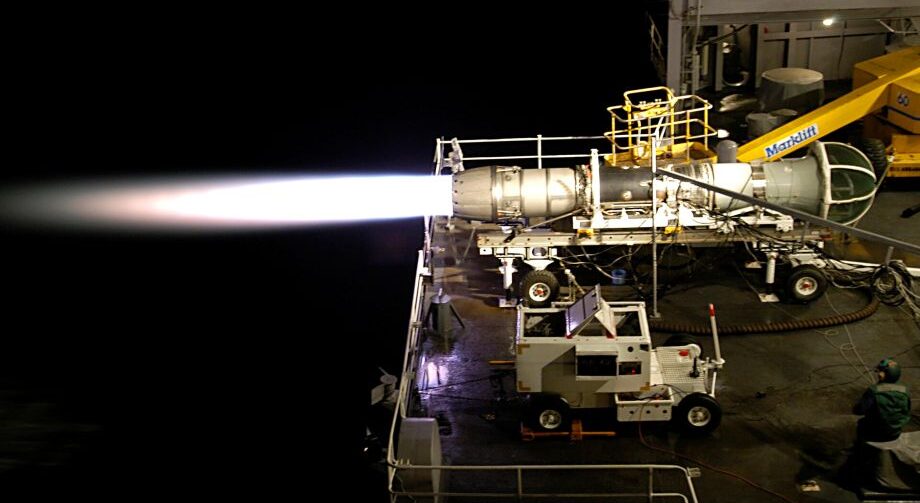
The Tejas Mk-1A programme is showing signs of renewed momentum after Hindustan Aeronautics Limited (HAL) received three additional F404-IN20 engines from GE Aerospace during August 2026. The latest deliveries bring the reported number of F404 engines received for the Tejas Mk-1A programme to 10, providing an important boost to aircraft production after engine supply constraints contributed to delays in the fighter’s delivery schedule.
The F404-IN20 is the powerplant selected for the Tejas Mk-1A, and a steady flow of engines is essential for HAL to complete aircraft assembly, flight testing and subsequent delivery to the Indian Air Force (IAF). The recent deliveries are therefore significant because engine availability has been one of the key factors affecting the pace at which completed Tejas Mk-1A aircraft can move through the production pipeline.
HAL has been working to expand Tejas manufacturing capacity and improve production rates as India seeks to strengthen its indigenous fighter fleet. The company has previously outlined a target of reaching an annual production rate of 24 aircraft before eventually increasing output to around 30 Tejas Mk-1A fighters annually by 2027-28.
The latest engine deliveries come at an important stage for the programme. Earlier in 2026, the Indian defence establishment indicated that Tejas Mk-1A induction could begin from September, with the Indian Air Force prepared to accept aircraft subject to certain concessions while remaining capabilities are incorporated into subsequent aircraft.
The availability of additional F404 engines could help HAL reduce the number of aircraft awaiting propulsion systems and maintain a more predictable production schedule. According to current reporting, HAL expects further engine deliveries from GE Aerospace during the second half of 2026, which could provide additional support to the production programme.
GE Aerospace has also been strengthening its long-term support infrastructure for the F404-powered Tejas fleet in India. In April 2026, the company announced an agreement with the Indian Air Force to help establish an in-country depot for F404-IN20 engines. The facility is intended to improve repair and overhaul capabilities within India and reduce dependence on overseas maintenance centres, potentially improving engine availability and turnaround times.
The Tejas Mk-1A is an important component of India’s broader effort to modernise the IAF’s fighter fleet while increasing domestic defence production. The aircraft incorporates improvements over the earlier Tejas Mk-1, including enhanced avionics, electronic warfare capabilities and other systems intended to improve its operational effectiveness.
For HAL, the immediate priority will be to convert improved engine availability into a sustained increase in completed aircraft and deliveries. If GE Aerospace continues supplying F404 engines according to the expected schedule, the development could help remove one of the major constraints affecting the Tejas Mk-1A production pipeline.
The latest progress also highlights the importance of a reliable aerospace supply chain for India’s indigenous fighter programmes. While the Tejas Mk-1A is designed and manufactured in India, critical components such as its F404 engine remain dependent on international suppliers. Building greater domestic capability across the aircraft’s wider supply chain, alongside reliable foreign partnerships, will therefore remain important as India moves toward higher-rate production.
With additional engines now entering the programme and HAL continuing to expand its manufacturing capacity, the Tejas Mk-1A project is entering a potentially important phase. The coming months will determine whether the improved engine supply can translate into faster aircraft production and the sustained induction of the fighter into the Indian Air Force.