


India is preparing to expand private-sector participation in its conventional missile manufacturing programme, with the Astra Mk-2 beyond-visual-range air-to-air missile expected to be among the first major systems offered to private Indian manufacturers. The initiative is aimed at strengthening domestic production capacity, meeting the growing requirements of the armed forces and supporting India’s ambitions to become a major defence exporter.
According to reports, the Ministry of Defence is expected to issue a Request for Proposal (RFP) inviting private companies to participate in the manufacturing of the Astra Mk-2 missile. Several prominent Indian industrial groups, including ICOMM, Adani Defence, Bharat Forge, Tata Group and Mahindra Group, are among the potential contenders expected to participate in the process. The selection of manufacturing partners is expected to provide an opportunity for greater competition and expand India’s defence industrial base.
The move comes amid increasing demand for indigenous missile systems from the Indian Armed Forces and growing interest from international customers. Bharat Dynamics Limited (BDL), which has traditionally played a major role in manufacturing India’s indigenous missile systems, faces growing production requirements from domestic procurement programmes and potential export commitments. Bringing additional manufacturers into the production ecosystem could help increase manufacturing capacity and reduce dependence on a limited number of production facilities.
Developed by the Defence Research and Development Organisation (DRDO), the Astra Mk-2 is an advanced beyond-visual-range air-to-air missile designed to engage hostile aircraft at long distances. The missile is associated with an estimated engagement range of approximately 180-200 kilometres, giving Indian fighter aircraft an enhanced capability to engage aerial threats beyond visual range. Its development is particularly significant amid the growing deployment of advanced long-range air-to-air weapons in the region, including China’s PL-15E missile supplied to Pakistan.
The Astra Mk-2 is expected to strengthen the combat capabilities of several Indian fighter aircraft platforms. Planned integration includes the Tejas Mk-1A, MiG-29 and Su-30MKI, while the Rafale Marine is also among the platforms identified for integration. Expanding its manufacturing base will therefore be important for meeting the potential requirements of different aircraft fleets operated by the Indian armed forces.
Indonesia’s reported interest in acquiring India’s Astra missile has also highlighted the export potential of indigenous air-combat weapons. Greater manufacturing capacity would help India address possible international orders while ensuring that domestic operational requirements remain a priority. The involvement of private defence companies could also encourage investment in advanced manufacturing technologies, component development and specialised missile production facilities.
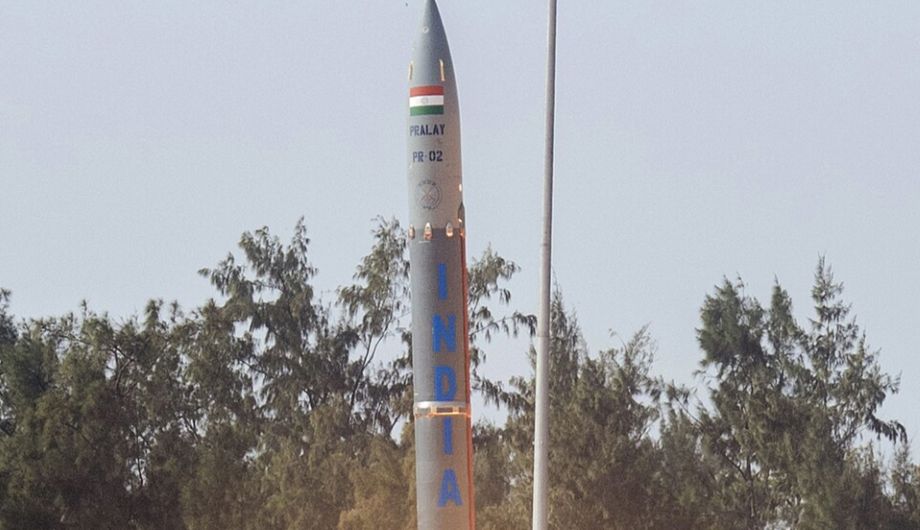
Following the Astra Mk-2, the Pralay tactical ballistic missile is also expected to be considered for greater private-sector participation in development and manufacturing. Developed by DRDO, Pralay is a conventional quasi-ballistic missile with an estimated range of around 500 kilometres. Designed for precision strikes against important military targets, it represents another significant component of India’s expanding conventional missile capabilities.
The proposed expansion is part of a broader transformation of India’s defence manufacturing ecosystem. In August 2026, Defence Minister Rajnath Singh approved the transfer of DRDO-developed technologies for conventional missile systems to Indian industry for domestic production. The decision opened opportunities for qualified private companies to participate in manufacturing through technology-transfer arrangements and competitive selection processes, while DRDO retains responsibilities relating to design certification and quality assurance.
The government’s approach is intended to create a more diversified manufacturing network involving public-sector enterprises, private defence companies and smaller industrial suppliers. Increased industrial participation could improve production timelines, strengthen domestic supply chains and support the development of advanced defence technologies within the country.
For India, expanding private-sector involvement in missile manufacturing represents an important step towards building a stronger and more self-reliant defence industry. If implemented successfully, the participation of additional manufacturers in programmes such as Astra Mk-2 and Pralay could improve the country’s ability to meet future military requirements, strengthen its conventional strike capabilities and increase the international competitiveness of Indian-made defence systems.