


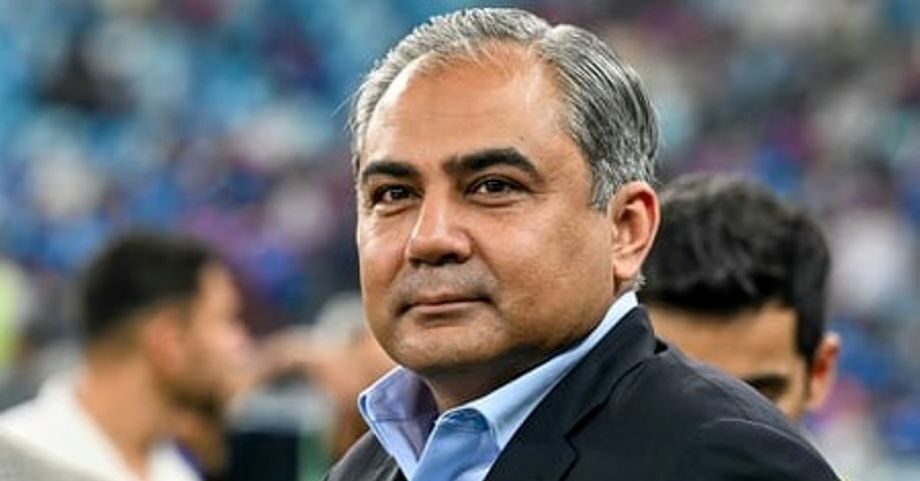
Pakistan’s Interior Minister Mohsin Naqvi has publicly alleged discovery of what he terms the country’s “biggest scam” in its history, implicating judges, bureaucrats, politicians, and bankers in a scheme spanning 21 years. His statements, made without naming specific targets, have triggered speculation about internal power realignment within Pakistan’s government hierarchy.
“I don’t think there has ever been such a massive scam in the history of Pakistan, where judges, bureaucrats, politicians and bankers were all involved,” Naqvi told reporters. He committed to pursuing “each and every person responsible” for bribery and corruption across two decades.
These allegations arrive amid broader criticism from Naqvi directed at Pakistan’s existing governance framework. Days earlier, he characterized the country’s political system as having “collapsed” and incapable of addressing fundamental economic and institutional challenges. His reference to Pakistan’s “cockroaches” uniting to destabilize the nation appeared to draw parallel with the Cockroach Janta Party protests in India over the NEET examination controversy.
Naqvi’s sustained attacks target Prime Minister Shehbaz Sharif’s administration despite holding a cabinet position within it. According to analysts cited by Indian media, this public dissent reflects deeper factional conflict within Pakistan’s power structure. Naqvi serves simultaneously as chief of the Pakistan Cricket Board, a position that has enhanced his political profile beyond his ministerial portfolio.
The Interior Minister maintains close personal ties with Pakistan’s Field Marshal Asim Munir, the country’s military chief. Sources indicate Naqvi served as Munir’s special representative in mediating communications between the United States and Iran, roles underlining his position as a trusted intermediary in Pakistan’s foreign policy apparatus. Family connections to the military leadership further strengthen his standing within defence and security circles.
Field Marshal Munir consolidated significant institutional authority following his promotion last year, which observers link to internal military operations. His expanded oversight now extends across Pakistan’s foreign policy formulation and economic decision-making structures. By positioning Naqvi as a vocal critic from within the cabinet, analysts suggest the military establishment may be signalling dissatisfaction with civilian government performance to the Sharif administration.
Pakistan has experienced repeated cycles of civil-military tension and institutional realignment since its independence. The military has historically intervened in governance during periods of perceived civilian incompetence or corruption. Naqvi’s emergence as a vocal internal critic, combined with his documented proximity to the current military leadership, creates conditions for potential shifts in Pakistan’s political configuration.
The allegations of systemic corruption involving state institutions carry particular weight given their source within the Interior Ministry, which oversees law enforcement and domestic security apparatus. Whether these statements presage formal action or represent positioning for future political contests remains unclear.