

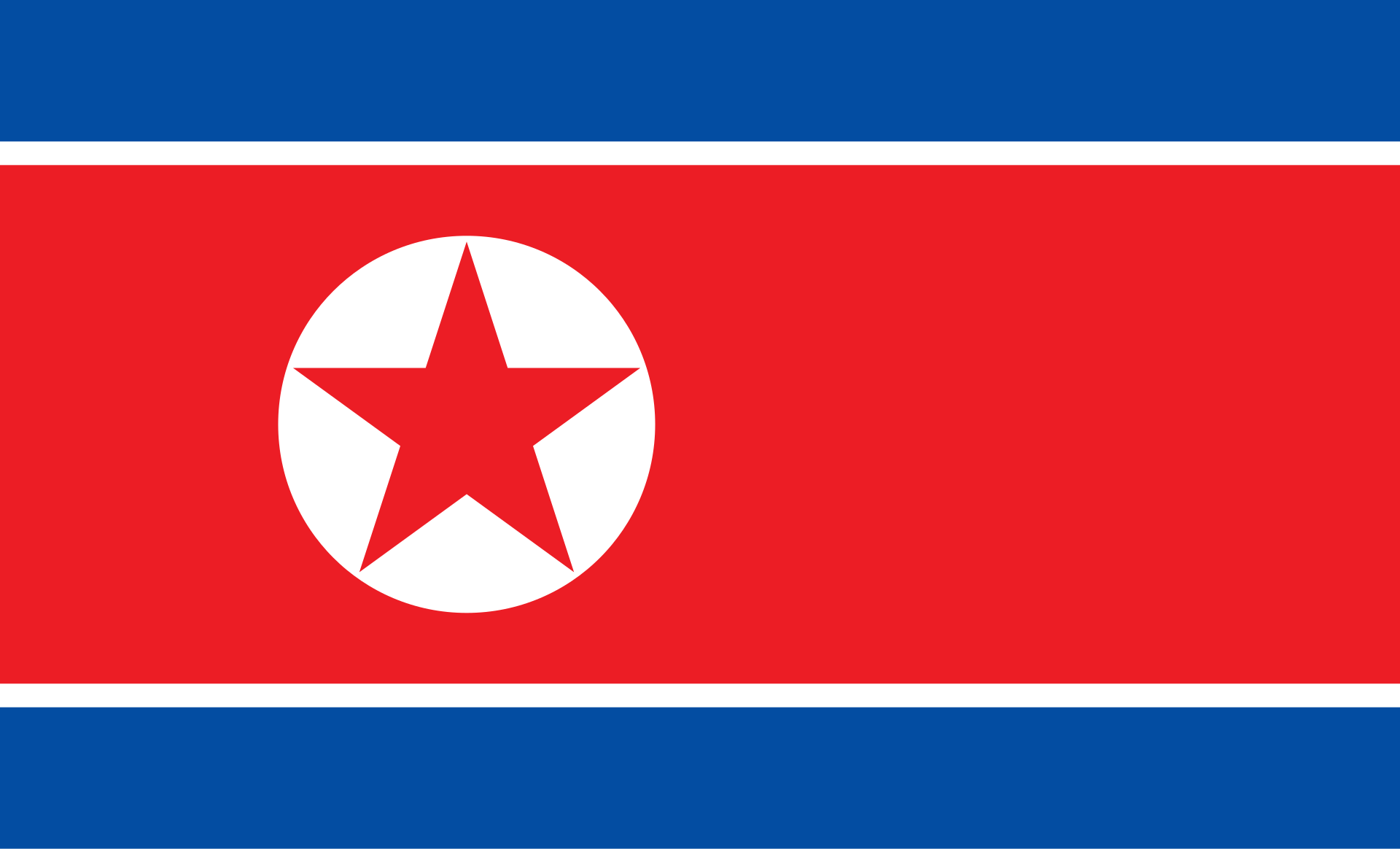
Ukraine’s military intelligence agency has accused North Korea of substantially escalating military support to Russia by deploying a dedicated missile unit and supplying fresh ballistic missiles to bolster Moscow’s strike capabilities against Ukrainian targets.
According to Ukraine’s HUR intelligence agency, the deployment includes approximately 90 North Korean personnel, six missile launchers, and 120 ballistic missiles. The arsenal comprises 40 newly supplied KN-23 and KN-24 missiles, with the unit expected to be based in Russia’s western Voronezh region as part of the 112th Missile Brigade.
A HUR spokesperson stated that Russia used a North Korean ballistic missile in a strike last week, marking the first documented employment of such weapons since August 2025. Between late 2023 and August 2025, Pyongyang had supplied Moscow with approximately 150 KN-23 and KN-24 ballistic missiles, the agency alleged.
The KN-23 and KN-24 are intermediate-range ballistic missiles developed by North Korea’s strategic weapons programmes. These systems feature longer range and larger warheads compared to Russia’s Iskander missiles, though Ukrainian military officials assess them as considerably less accurate. Multiple strikes involving these weapons have inflicted heavy civilian casualties, reflecting their precision limitations when employed against area targets.
The reported deployment represents the latest phase in deepening Moscow-Pyongyang military cooperation since Russia’s full-scale invasion of Ukraine in February 2022. The relationship was formally codified when Russian President Vladimir Putin visited Pyongyang in June 2024, resulting in the Comprehensive Strategic Partnership Treaty. This agreement commits both nations to provide immediate military and other assistance if either faces armed attack, creating a binding mutual defence framework.
Prior to this missile unit deployment, North Korea had already supplied Russia with vast quantities of conventional ammunition. South Korea’s defence ministry reported in 2024 that North Korea had shipped approximately 6,700 containers of ammunition to Russia by February that year, containing over 3 million 152 mm artillery shells and around 500,000 122 mm rounds.
The expanded weapons transfers underscore North Korea’s strategic calculation to support Russia’s military operations in exchange for economic benefits and security guarantees. The deployment of dedicated personnel to operate these systems in combat theaters marks a qualitative shift from simple munitions supply to active force integration.
Ukraine has warned that dwindling stocks of US-made Patriot interceptor missiles are constraining its air defence capacity against ballistic missile strikes. The introduction of additional North Korean systems, combined with Russia’s intensified missile offensive, presents mounting challenges for Ukraine’s layered air defence architecture at a time when Western aid flows face domestic political constraints.