


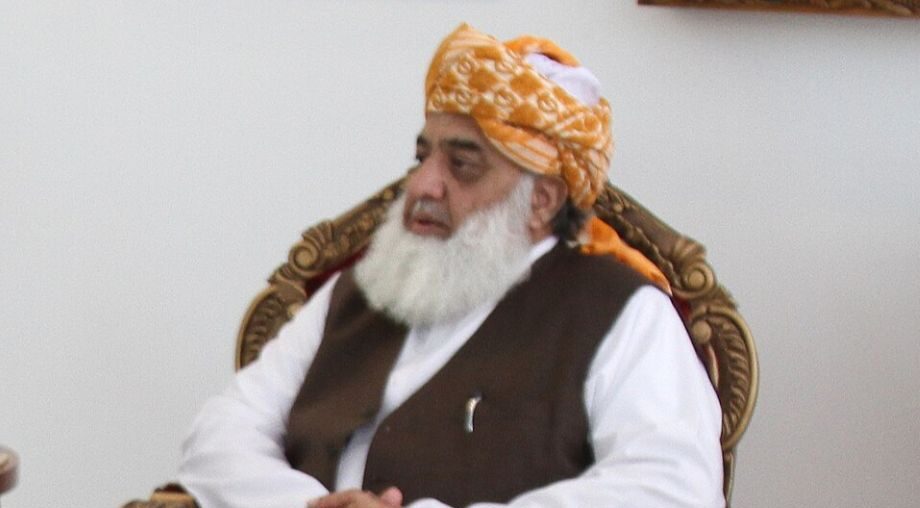
Senior Pakistani politician and Jamiat Ulema-e-Islam (F) chief Maulana Fazlur Rehman has launched a sharp attack on Pakistan’s military establishment, invoking the country’s 1971 defeat and surrender to India while questioning the repeated claims of military strength under Army chief Field Marshal Asim Munir.
Addressing a JUI-F convention in Peshawar, Fazlur Rehman drew a direct comparison between the Pakistani military’s present posture and the events of December 1971. He recalled that Pakistan’s military leadership had made strong declarations about continuing the fight shortly before its forces surrendered in Dhaka.
Rehman said the military’s past statements about fighting until the end had ultimately failed to prevent the surrender of Pakistani forces. The 1971 war ended with the surrender of Pakistani troops in Dhaka on December 16, resulting in the creation of Bangladesh following the separation of East Pakistan.
Taking aim at the current military leadership, Rehman questioned whether claims of strength could protect Pakistan while ordinary citizens continue to face serious hardships. He challenged the establishment over what he described as continued pressure and suffering being imposed on the population.
The JUI-F leader also warned that prolonged violence and political oppression could have consequences for Pakistan’s territorial stability. Referring to continuing bloodshed and unrest in different parts of the country and the wider region, he suggested that sustained conflict could eventually contribute to geographical changes.
Rehman’s remarks come amid continuing political tensions over the role of Pakistan’s powerful military establishment in the country’s political affairs. His decision to invoke the 1971 surrender adds a particularly sensitive historical dimension to his criticism, as the episode remains one of the most consequential military defeats in Pakistan’s history.
By recalling the events of 1971, Fazlur Rehman sought to challenge the perception of unquestionable military strength and urged Pakistan’s leadership to consider the consequences of prolonged internal conflict and public hardship.
His comments are likely to intensify debate inside Pakistan over the military’s political influence, the country’s internal stability and the direction of its current leadership.