

The Indian Army has stepped up specialised training for its mechanised formations in eastern Ladakh, focusing on the operational challenges associated with deploying armoured vehicles in high-altitude areas. The initiative is intended to ensure that tank crews and mechanised infantry units remain prepared to operate effectively in the demanding conditions along India’s northern frontier.
The training is being conducted under the Leh-based 14 Corps, also known as the Fire and Fury Corps. The programme concentrates on preparing personnel for operations at extreme elevations while improving their ability to handle military platforms, maintain equipment and coordinate tactical movements in difficult terrain.
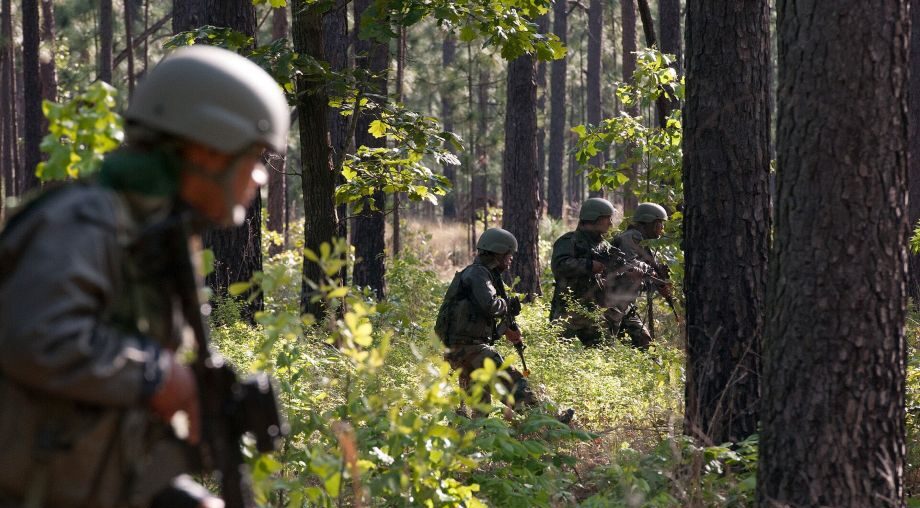
Field activities cover several aspects of mechanised warfare, including armoured vehicle manoeuvres, battlefield formations, surveillance deployment and exercises involving water obstacles. These activities provide troops with opportunities to practise vehicle movement and tactical coordination under conditions that differ considerably from conventional training environments.
The Army’s released visuals have also highlighted the use of BMP-2 infantry combat vehicles during field manoeuvres. Light specialist military vehicles equipped with mounted weapons were seen participating in the exercises, while commanders conducted tactical planning sessions using terrain models. Some vehicles appeared to carry counter-drone equipment, although the Army has not officially identified the specific systems.
Maintaining armoured vehicle performance in Ladakh requires specialised technical arrangements. Reduced oxygen levels can affect engine output, while extremely low temperatures create additional challenges for batteries, lubricants and other mechanical components. Soldiers operating these platforms must also undergo adequate acclimatisation to perform their duties safely and efficiently.
The geographical characteristics of eastern Ladakh further increase the complexity of mechanised operations. Although much of the region consists of mountainous terrain, areas such as Depsang, Chushul and Demchok provide comparatively suitable ground for deploying tanks and infantry combat vehicles. These locations are strategically important for military mobility and operational planning along the Line of Actual Control (LAC).
India’s mechanised deployment in Ladakh received significant attention following the military confrontation with China in 2020. The Army subsequently strengthened its presence by moving additional personnel, tanks, BMP infantry combat vehicles and supporting equipment to the region. The deployment demonstrated the importance of maintaining armoured capabilities even in geographically challenging areas.
The Army is also examining the role of newer technologies and specialised platforms in improving its high-altitude warfare capabilities. Lightweight mechanised vehicles, unmanned systems and advanced surveillance sensors are becoming increasingly important in modern military operations, particularly where terrain restricts the movement of conventional heavy equipment.
The latest training initiative reflects the Army’s continued emphasis on maintaining combat preparedness through realistic exercises and improved technical proficiency. By combining vehicle operations, tactical planning and equipment management, the mechanised formations are working to maintain their effectiveness in the demanding conditions of the Himalayan frontier.
With security requirements continuing to evolve along India’s northern borders, regular specialised training remains an important part of ensuring that the Army’s armoured and mechanised units can respond effectively to operational requirements.