

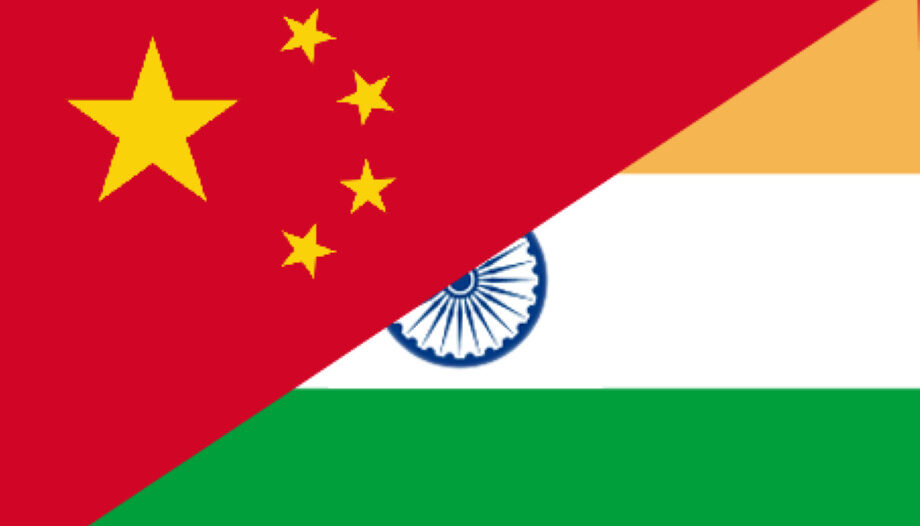
India and China have expanded their military-level engagement along the Line of Actual Control (LAC), with the two armies holding their first Corps Commander-level meeting in Arunachal Pradesh on September 6. The talks were conducted at the Wacha-Damai Border Personnel Meeting point in the eastern sector amid continuing concerns over border management and recent tensions in the Taksing area of Upper Subansiri district.
The Indian delegation was led by Lieutenant General Girish Kalia, commander of the Army’s 3 Corps, also known as the Spear Corps. The formation, headquartered at Rangapahar in Nagaland, has operational responsibilities across parts of the northeastern frontier, including areas along the LAC in Arunachal Pradesh. The engagement provided a direct channel for senior military commanders from both sides to discuss issues affecting peace and stability in the eastern sector.
The meeting is significant because Corps Commander-level discussions between India and China have, particularly since the 2020 Galwan Valley clash, been closely associated with the Ladakh sector and the Chushul-Moldo meeting point. Extending this mechanism to Arunachal Pradesh represents a broader approach to managing military friction across different sections of the disputed frontier.
The latest engagement follows a series of diplomatic and military contacts between New Delhi and Beijing. National Security Adviser Ajit Doval and Chinese Foreign Minister Wang Yi held the 25th round of Special Representatives’ talks on the boundary question in Beijing in August. During those discussions, both sides agreed to strengthen border-management arrangements and improve communication between their militaries.
India and China have also agreed to establish additional military communication channels, including new hotlines between their respective military commands. The move is intended to provide commanders with faster means of addressing incidents and reducing the possibility that localised confrontations could develop into larger disputes.
The Arunachal meeting comes against the backdrop of renewed efforts to stabilise India-China relations after years of heightened tensions following the 2020 border crisis. Maintaining peace and tranquillity along the LAC has remained a key component of the broader diplomatic process, with both countries attempting to keep military and political channels open even as differences over the boundary remain unresolved.
The timing of the talks is also noteworthy, coming shortly before the BRICS Summit in New Delhi, where Chinese President Xi Jinping is expected to participate. The parallel diplomatic and military engagements indicate that both countries are seeking to strengthen mechanisms for communication while continuing discussions on their wider bilateral relationship.
For India, the establishment of a senior military dialogue mechanism in the eastern sector provides an additional avenue to address operational concerns directly with the Chinese side. It also complements the Indian Army’s continued focus on operational preparedness and infrastructure development along the northeastern frontier.
While details of the discussions at Wacha-Damai have not been publicly disclosed, the meeting itself marks an important expansion of the India-China border-management framework. With military commanders now engaging at a senior level in Arunachal Pradesh, the two countries have added another layer to their efforts to contain tensions and maintain stability along the LAC.