


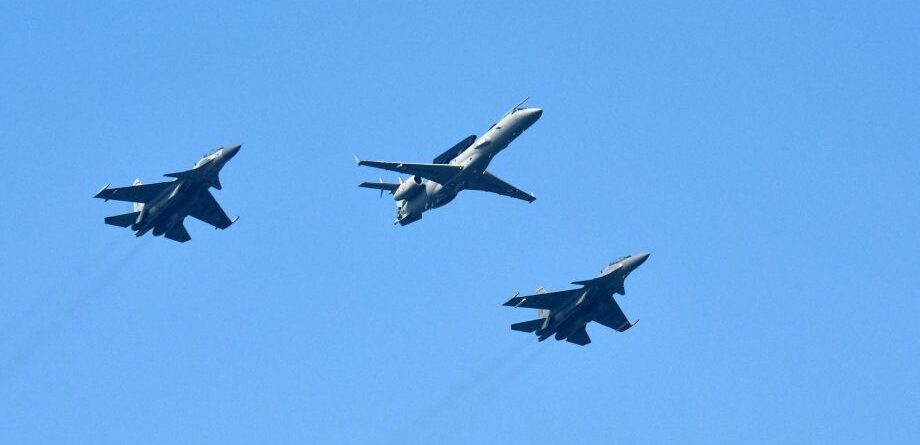
Embraer is ready to supply six refurbished ERJ-145 aircraft to India for the Indian Air Force’s Netra Mk-1A Airborne Early Warning and Control (AEW&C) programme. The development will expand India’s fleet of Embraer-based surveillance aircraft and provide additional platforms for its growing airborne early-warning requirements.
The ERJ-145 aircraft will serve as the flying platforms for the upgraded Netra Mk-1A system being developed by the Defence Research and Development Organisation (DRDO). As the ERJ-145 is no longer in production, refurbished aircraft offer India a practical way to obtain additional platforms for the programme.
The Netra Mk-1A is intended to introduce improved mission capabilities over the existing Netra configuration. The upgraded system is expected to incorporate enhanced radar technology, improved electronic systems and better networking capabilities, giving the IAF greater situational awareness during air operations.
India currently operates three Embraer-based Netra AEW&C aircraft. The addition of six refurbished ERJ-145 jets would significantly increase the number of platforms available for airborne surveillance and command-and-control missions. The existing Netra fleet has already achieved full operational status, highlighting the importance of the platform to the IAF.
The new aircraft will require military modifications and integration of the indigenous mission systems before entering operational service. DRDO’s Centre for Airborne Systems (CABS) is responsible for key aspects of the AEW&C system and its integration with the aircraft.
The expansion of the Netra Mk-1A fleet is particularly important as India continues developing its larger Netra Mk-2 programme. The Mk-2 is planned around the Airbus A321 platform and is expected to provide greater endurance, payload capacity and advanced surveillance capabilities.
With six refurbished ERJ-145 aircraft being made available, India can strengthen its airborne early-warning capability while continuing development of its next-generation AEW&C fleet. The move represents another step toward building a larger and more capable indigenous aerial surveillance network.